
2 languages
Tin Pan Alley
From HitStory, the pop encyclopedia of School of Rock · Genre
Tin Pan Alley · From about 1885, music publishers settled close together in Manhattan, from the 1890s mainly on West 28th Street. Songwriters wrote songs, publishers sold them as sheet music and song pluggers played them; from the 1920s, the 32-bar song in AABA form became the standard. Irving Berlin, George Gershwin and Cole Porter were the big names.
From the timelines
Tin Pan Alley (1903)
Around 1900, dozens of music publishers in New York were housed in the same stretch of street: West 28th Street, between Fifth and Sixth Avenue. Every office had a piano, on which new songs were tried out all day long. On warm days, that sounded through the open windows like someone banging on pots and pans. That is how the street got the nickname Tin Pan Alley. Writing songs became a profession here, with an office and a deadline.
Listening
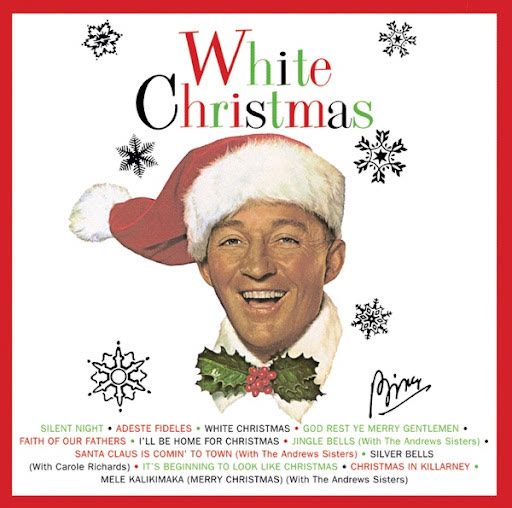 White Christmas (Irving Berlin) · Bing Crosby, 1942Apple Music ↗
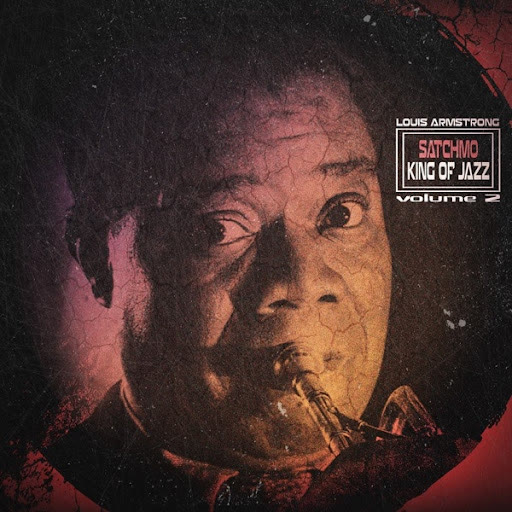 Alexander’s Ragtime Band · Louis Armstrong and His Orchestra, 1937Apple Music ↗
 Night and Day · Fred Astaire, 1932Apple Music ↗
In School of Rock
The chapters, maps and magazine stories of School of Rock are currently available in Dutch only.
- Genre MapNL Map
- Mixtape 1: The Origins of Pop MusicNL Reader
- Mixtape 12: The Hit FactoryNL Reader
- Mixtape 13: From Cassette to CloudNL Reader
See also
- Louis Armstrong and His Orchestra
- Fred Astaire
- Minstrel shows
- European art music
- Operetta and the waltz
- Classic blues
- Swing and big band
- Country
- Brill Building and girl groups
- Motown
- Schlager
- Barbershop
- Mandopop en Cantopop
- Phonograph
- Gramophone and the 78 rpm record
- Tin Pan Alley sheet music
- Player piano and piano roll
- Radio