
2 languages
West African music traditions
From HitStory, the pop encyclopedia of School of Rock · Genre
West African music traditions · Between the sixteenth and nineteenth centuries, more than twelve million Africans were shipped to the Americas as slaves, most of them from West and Central Africa. They took with them music that was unknown in Europe: rhythms in several layers at once, call and response between a lead singer and a group, music as a fixed part of work, dance and faith, and instruments from which the banjo descended. At Congo Square in New Orleans, enslaved Africans were allowed to dance, sing and drum on Sundays until well into the nineteenth century. Those elements are present in virtually all the African American music that followed.
Listening
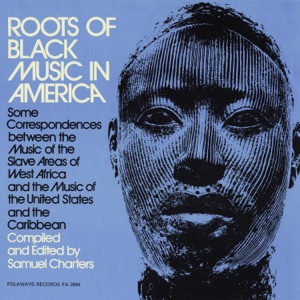 Atsiagbekor (veldopname) · Ewe-zangers en slagwerkers uit Anyako (Ghana), 1972Apple Music ↗
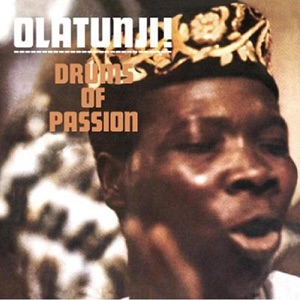 Jin-Go-Lo-Ba (Drums of Passion) · Babatunde Olatunji, 1959Apple Music ↗
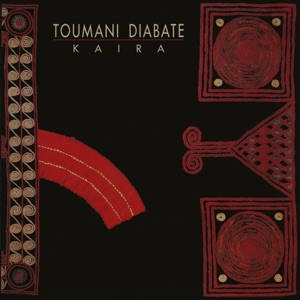 Kaira · Toumani Diabaté, 1988Apple Music ↗
In School of Rock
The chapters, maps and magazine stories of School of Rock are currently available in Dutch only.
- Genre MapNL Map
See also
- Ali Farka Touré
- Oumou Sangaré
- Ewe-zangers en slagwerkers uit Anyako (Ghana)
- Babatunde Olatunji
- Toumani Diabaté
- Griots and the kora
- Appalachian folk (mountain music)
- New Orleans jazz
- Habanera
- Work songs and field hollers
- Highlife
- Calypso
- Mento
- Cumbia
- Congolese rumba and soukous
- Mbalax
- Jùjú
- Mbaqanga
- Woestijnblues
- Choro