
2 languages
Neoclassicism
From HitStory, the pop encyclopedia of School of Rock · Genre
Neoclassicism · After the First World War, composers looked back at the clarity of the eighteenth century, but with a modern eye. In 1917 Sergei Prokofiev wrote a symphony of the kind Haydn would have written in his own day. For the ballet Pulcinella (1920, with sets by Picasso), Stravinsky adapted melodies attributed to Pergolesi and gave them modern rhythms and sharp harmonies. Ravel honoured the French Baroque with Le tombeau de Couperin.
Listening
Listening tip. Listen to the Sinfonia of Pulcinella for a Baroque melody, and notice the dry winds and small shifts that betray that this is 1920.
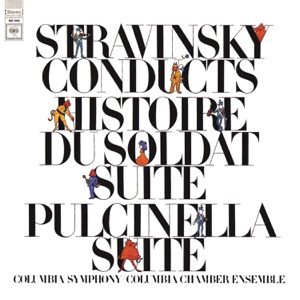 Pulcinella-suite: Sinfonia (Columbia Symphony Orchestra, Igor Stravinsky) · Igor Stravinsky, 1920
 Symfonie nr. 1 'Classique': Gavotta (Chamber Orchestra of Europe, Claudio Abbado) · Sergej Prokofjev, 1917
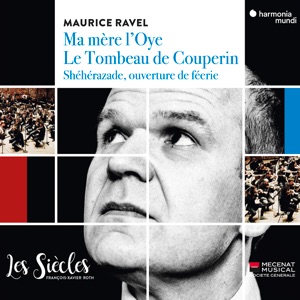 Le tombeau de Couperin: Rigaudon (Les Siècles, François-Xavier Roth) · Maurice Ravel, 1919
See also
- Dmitri Sjostakovitsj
- Erik Satie
- Maurice Ravel
- Igor Stravinsky
- Louis Andriessen
- Sergej Prokofjev
- Rhythm as engine: Stravinsky and Bartók
- German Baroque and Bach
Categories: Genres