
2 languages
Rhythm as engine: Stravinsky and Bartók
From HitStory, the pop encyclopedia of School of Rock · Genre
Rhythm as engine: Stravinsky and Bartók · Around 1910, rhythm became the engine of the new music. Igor Stravinsky's ballet music Le sacre du printemps caused a riot on 29 May 1913 at the Théâtre des Champs-Élysées in Paris, with harsh, irregular accents and pagan rituals on stage. The Hungarian Béla Bartók collected thousands of folk songs and, in Allegro barbaro (1911), pounded the piano as if it were a percussion instrument. Their rhythmic power continues to work its way into film, jazz and rock.
Listening
Listening tip. Hear how the strings in Les augures printaniers keep stamping the same chord, with accents in unexpected places.
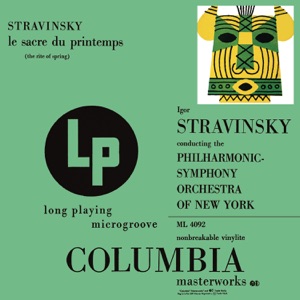 Le sacre du printemps: Les augures printaniers (New York Philharmonic, Igor Stravinsky) · Igor Stravinsky, 1913
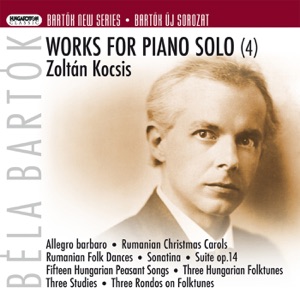 Allegro barbaro (Zoltán Kocsis) · Béla Bartók, 1911
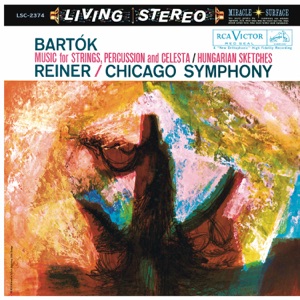 Muziek voor snaarinstrumenten, slagwerk en celesta: Allegro (Chicago Symphony Orchestra, Fritz Reiner) · Béla Bartók, 1936
See also
Categories: Genres