
2 languages
Maurice Ravel
From HitStory, the pop encyclopedia of School of Rock · Artist
Maurice Ravel was born in the Basque town of Ciboure and worked all his life in and around Paris. He was a master of orchestration and wrote clear, precisely finished music, with influences from Spanish dance, old French forms and, later, jazz. His Boléro from 1928 repeats two melodies over an unchanging drum rhythm, while the orchestra grows steadily fuller. He himself called it an experiment: orchestral fabric without music.
Listening
Listening tip. Listen to the beginning of the Boléro and hear how the snare drum quietly sets up a steady rhythm, after which the flute takes over the melody.
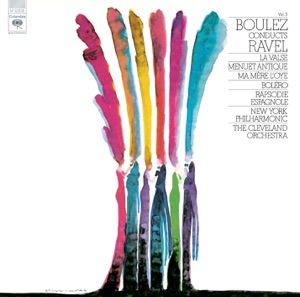 Boléro (New York Philharmonic, Pierre Boulez) · Maurice Ravel, 1928
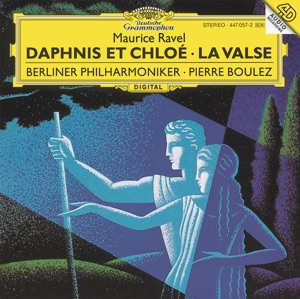 Daphnis et Chloé: Lever du jour (Berliner Philharmoniker, Pierre Boulez) · Maurice Ravel, 1912
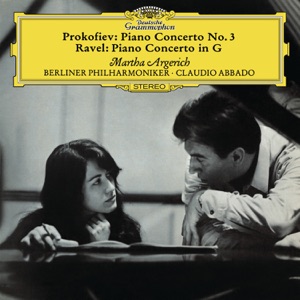 Pianoconcert in G: II. Adagio assai (Martha Argerich, Berliner Philharmoniker, Claudio Abbado) · Maurice Ravel, 1931
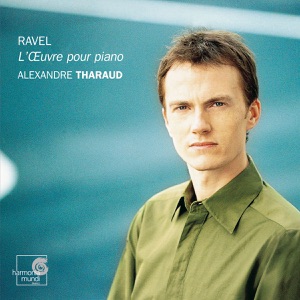 Jeux d'eau (Alexandre Tharaud) · Maurice Ravel, 1901
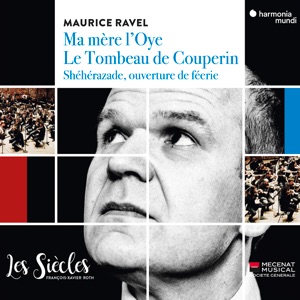 Le tombeau de Couperin: Rigaudon (Les Siècles, François-Xavier Roth) · Maurice Ravel, 1919
In School of Rock
The chapters, maps and magazine stories of School of Rock are currently available in Dutch only.
- The Dream Factory: Film Reel 6NL Reader
- The Dream Factory: Film Reel 8NL Reader
- After Hours: Session 1NL Reader
Mentioned in other articles
- Impressionism Genre
In Paris, Claude Debussy and Maurice Ravel searched for music that sounds like light, water and clouds.