
2 languages
Claude Debussy
From HitStory, the pop encyclopedia of School of Rock · Artist
Claude Debussy studied at the Paris Conservatoire and at the 1889 World's Fair fell under the spell of the Javanese gamelan. He let chords sound for their colour rather than their function and used whole-tone scales and old modes. His Prélude à l'après-midi d'un faune from 1894 opens with a free flute solo that is often called the beginning of modern music. He himself disliked the label Impressionism.
Listening
Listening tip. Listen to the flute solo that opens the Prélude and hear how, without a fixed metre or key, it slowly slides downward and curls up again.
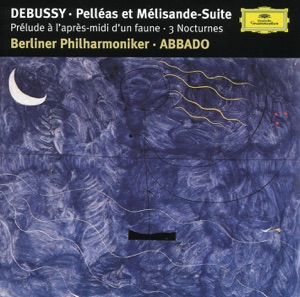 Prélude à l'après-midi d'un faune (Emmanuel Pahud, Berliner Philharmoniker, Claudio Abbado) · Claude Debussy, 1894
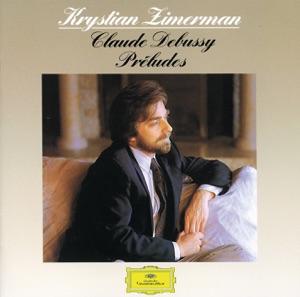 Préludes I: Voiles (Krystian Zimerman) · Claude Debussy, 1910
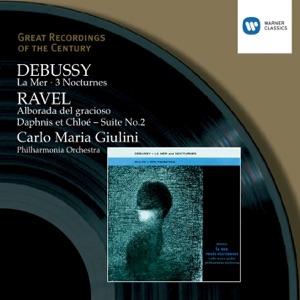 La mer: Dialogue du vent et de la mer (Philharmonia Orchestra, Carlo Maria Giulini) · Claude Debussy, 1905
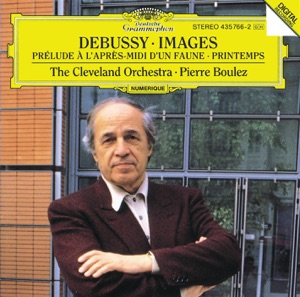 Prélude à l'après-midi d'un faune (Cleveland Orchestra, Pierre Boulez) · Claude Debussy, 1894
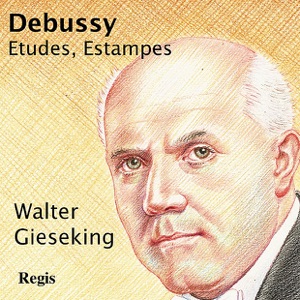 Estampes: Pagodes (Walter Gieseking) · Claude Debussy, 1903
In School of Rock
The chapters, maps and magazine stories of School of Rock are currently available in Dutch only.
- After Hours: Session 1NL Reader
Mentioned in other articles
- Impressionism Genre
In Paris, Claude Debussy and Maurice Ravel searched for music that sounds like light, water and clouds.
See also
- Richard Wagner
- Modest Moessorgski
- Erik Satie
- Maurice Ravel
- Lili Boulanger
- Béla Bartók
- Igor Stravinsky
- Olivier Messiaen
- Pierre Boulez
Categories: ArtistsImpressionism