
2 languages
Richard Wagner
From HitStory, the pop encyclopedia of School of Rock · Artist
Richard Wagner wanted to merge music, poetry and drama into a single total work of art and wrote the texts of his music dramas himself. He worked with leitmotifs, short themes that return with characters and ideas, and let the music flow on without separate numbers. The chord at the beginning of Tristan und Isolde, completed in 1859, does not resolve and unsettled harmony. In Bayreuth he had a theatre of his own built, where in 1876 the complete Ring des Nibelungen was heard.
Listening
Listening tip. Listen to the first bars of Tristan und Isolde and hear how the yearning chord lingers after the cellos without resolving.
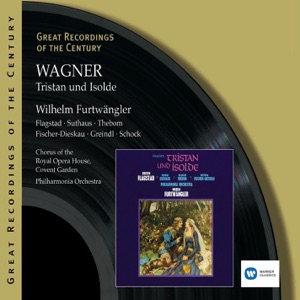 Tristan und Isolde: Vorspiel (Philharmonia Orchestra, Wilhelm Furtwängler) · Richard Wagner, 1859
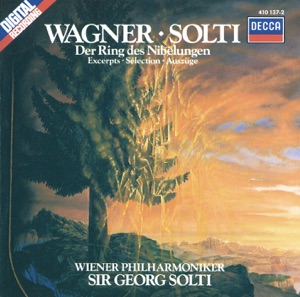 Die Walküre: Walkürenritt (Wiener Philharmoniker, Georg Solti) · Richard Wagner, 1856
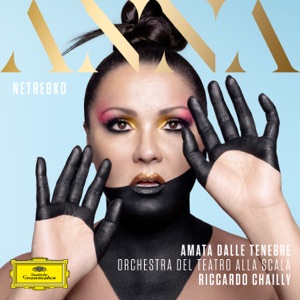 Tristan und Isolde: Isoldes Liebestod (Anna Netrebko, Riccardo Chailly) · Richard Wagner, 1859
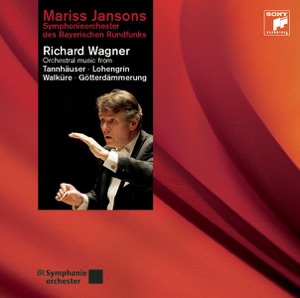 Lohengrin: Vorspiel zum 3. Akt (Symphonieorchester des BR, Mariss Jansons) · Richard Wagner, 1848
In School of Rock
The chapters, maps and magazine stories of School of Rock are currently available in Dutch only.
- The Dream Factory: Film Reel 1NL Reader
- The Dream Factory: Film Reel 7NL Reader
Mentioned in other articles
- Wagner and music drama Genre
Richard Wagner no longer wanted opera made up of separate numbers, but a continuous music drama in which music, text and stage form a single whole.
See also
- Wagner and music drama
- Ludwig van Beethoven
- Franz Liszt
- Antonín Dvořák
- Gustav Mahler
- Richard Strauss
- Claude Debussy
- Arnold Schönberg
Categories: ArtistsWagner and music drama