
2 languages
Golden Age: symphonic Hollywood and leitmotif
From HitStory, the pop encyclopedia of School of Rock · Genre
Golden Age: symphonic Hollywood and leitmotif · With King Kong (1933), Max Steiner showed what a continuous orchestral score could do in a sound film. The Hollywood studios had orchestras and music departments of their own. European composers such as Steiner and Erich Wolfgang Korngold from Vienna and Franz Waxman from Germany brought with them the language of Wagner, Richard Strauss and operetta. Typical features are the large symphony orchestra, lush strings, brass fanfares and the leitmotif: every character or idea gets a theme of its own that returns and changes. The music often follows the action beat for beat, which is called ‘Mickey Mousing’. Gone with the Wind (1939) and Casablanca (1942) became the model for the classic Hollywood score.
Listening
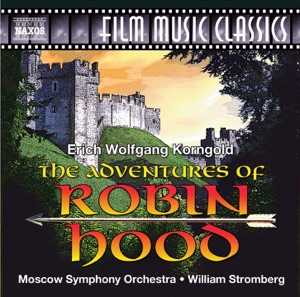 Main Title - Muted Fanfare · Erich Wolfgang Korngold, 1938
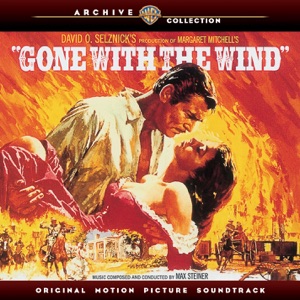 Tara · Max Steiner, 1939
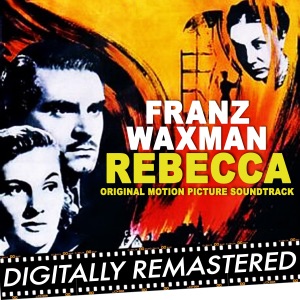 Main Title / Foreward / Opening Scene · Franz Waxman, 1940
In School of Rock
The chapters, maps and magazine stories of School of Rock are currently available in Dutch only.
- Film Music MapNL Map
See also
- Herbert Stothart
- Alfred Newman
- Dimitri Tiomkin
- Bernard Herrmann
- David Raksin
- Victor Young
- Early sound film (talkies)
- Symphonic silent film scores (Hollywood and Weimar)
- Late Romanticism
- Operetta and the waltz
- Hollywood Western
- Film noir
- Historical epic and sword-and-sandal film
- Symphonic revival (Williams era)
- Fantasy epic and world-building