
2 languages
Franz Waxman
From HitStory, the pop encyclopedia of School of Rock · Artist
Franz Waxman was born in 1906 in Königshütte, Germany, and worked in Berlin as a pianist and arranger for jazz bands and cabaret. After being attacked by Nazis in 1934, he left via Paris for Hollywood. His first big score, Bride of Frankenstein (1935), combines humour and horror with colourful orchestration. Waxman worked a great deal with Alfred Hitchcock, on Rebecca (1940) and Rear Window (1954), among others. He used jazz early on as a serious tone colour in film music. For Sunset Boulevard (1950) and A Place in the Sun (1951) he won an Oscar in two consecutive years. In 1947 he founded a music festival of his own in Los Angeles, where he conducted new concert music.
Listening
 Bride of Frankenstein: The Creation of the Female Monster · National Philharmonic Orchestra & Charles Gerhardt, 1935
 Rebecca: Suite · National Philharmonic Orchestra & Charles Gerhardt, 1940
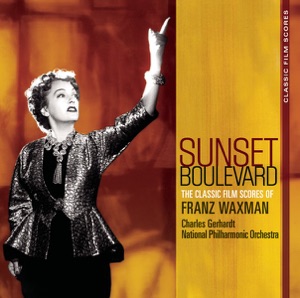
- Sunset Boulevard: Suite · National Philharmonic Orchestra & Charles Gerhardt, 1950
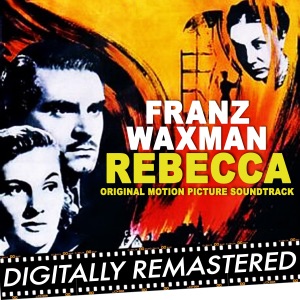 Main Title / Foreward / Opening Scene · Franz Waxman, 1940
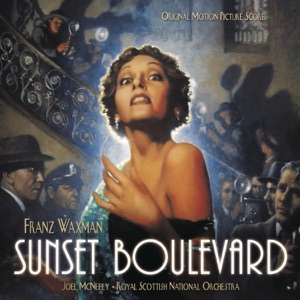 Sunset Boulevard Prelude · Franz Waxman, 1950
Discography
Studio albums
- 1956Crime in the Streets (soundtrack)
- 1957Sayonara (soundtrack)
- 1957The Spirit of St. Louis (soundtrack)
- 1959The Nun's Story (Original Motion Picture Soundtrack) (soundtrack)
- 1985Digital Premiere Recordings from the films of Alfred Hitchcock
- 1991Rebecca (soundtrack)
- 1992Herrmann / Waxman / Rózsa
- 1992Works for Violin & Orchestra
- 1993The Bride of Frankenstein (soundtrack)
- 1995The Story of Ruth (soundtrack)
- 1998Waxman / Mjaskowskij / Schumann / Britten
- 1999Prince Valiant (soundtrack)
- 1999Waxman: The Song of Terezín / Zeisl: Requiem Ebraico
- 2000Frankenstein / Bride Of Frankenstein
- 2000Paganini: Violin Concerto / Chausson: Poème / Waxman: Carmen Fantasy / Milstein: Paganiniana
- 2000Peyton Place
- 2001Untamed (soundtrack)
- 2002Demetrius and the Gladiators (soundtrack)
- 2002Rebecca
- 2002Sunset Boulevard (soundtrack)
- 2002The Virgin Queen (soundtrack)
- 2003Beloved Infidel (soundtrack)
- 2003Night and the City (soundtrack)
- 2004Cimarron (soundtrack)
- 2004Lure Of The Wilderness (soundtrack)
- 2006A Centenary Celebration
- 2006Peyton Place (soundtrack)
- 2007Anne of the Indies (soundtrack)
- 2007The Silver Chalice (soundtrack)
- 2008My Cousin Rachel (soundtrack)
- 2009Crime in the Streets (soundtrack)
- 2009Taras Bulba (soundtrack)
- 2010Bach: Concerto for 2 Violins / Mozart: Concerto no. 4, K. 218
- 2010Works for Violin and Piano
- 2012Barber & Korngold: Violin Concertos / Waxman: Carmen Fantasie / Williams: Theme from Schindler's List
- 2012Career (soundtrack)
- 2013A Place in the Sun (soundtrack)
- 2013Franz Waxman at Paramount: Elephant Walk / Botany Bay / Stalag 17 (soundtrack)
- 2013My Geisha (soundtrack)
- 2015Herrmann / Gershwin / Waxman / Copland
- 2016Apasionado
- 2017Peyton Place (soundtrack)
- 2019Shostakovich: Violin Concerto no. 1 / Waxman: Carmen Fantasie
- 2020The Documentaries (soundtrack)
- 2024BBC Music, Volume 32, Number 11: Waxman: Carmen Fantasie / Bartók: Violin Sonata no. 1
- 2024Franz Waxman: Legendary Hollywood, Vol. 1 - Westerns And World War II
- 2024Franz Waxman: Legendary Hollywood, Vol. 2 - Comedies And Thrillers
- 2024Franz Waxman: Legendary Hollywood, Vol. 3 - The Great Ladies
- 2024Franz Waxman: Legendary Hollywood, Vol. 4 - Epics, Fantasies
- ?Dimensionen
- ?Hemingway's Adventures Of A Young Man (An Original Soundtrack Recording) (soundtrack)
- ?Objective Burma! (soundtrack)
Other work
- 1935Bride of Frankenstein
- 1954Rear Window
In School of Rock
The chapters, maps and magazine stories of School of Rock are currently available in Dutch only.
- Film Music MapNL Map
- The Dream Factory: Film Reel 2NL Reader
Mentioned in other articles
- Golden Age: symphonic Hollywood and leitmotif Genre
European composers such as Steiner and Erich Wolfgang Korngold from Vienna and Franz Waxman from Germany brought with them the language of Wagner, Richard Strauss and operetta.
- Film noir Genre
In Sunset Boulevard (1950), Franz Waxman combined leitmotifs with twisted dance music from Hollywood's past.