
2 languages
Symphonic silent film scores (Hollywood and Weimar)
From HitStory, the pop encyclopedia of School of Rock · Genre
Symphonic silent film scores (Hollywood and Weimar) · Around 1915, major premieres were given a full orchestra with a specially compiled or composed score. For the racist epic The Birth of a Nation (1915), Joseph Carl Breil made a mixture of his own themes, folk songs and classical quotations, such as Wagner's Ride of the Valkyries. In Berlin in 1926, Edmund Meisel wrote harsh, rhythmic music for Eisenstein's Battleship Potemkin, which followed the editing shot by shot. Gottfried Huppertz composed a large late-Romantic work for Metropolis (1927), with leitmotifs for the characters and the world of the machines. These scores showed that film music could be a coherent symphonic whole. Hollywood adopted that model in the 1930s.
Listening
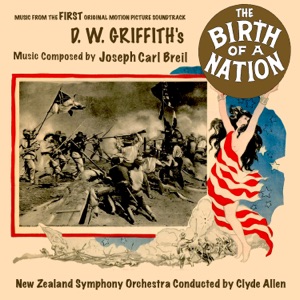 The Battle · Joseph Carl Breil, 1915
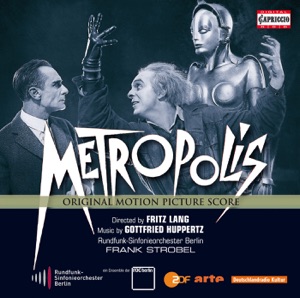 Maschinen · Gottfried Huppertz, 1927
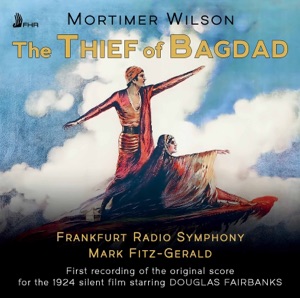 Prelude · Radio-Sinfonie-Orchester Frankfurt & Mark Fitz-Gerald (Mortimer Wilson), 1924
In School of Rock
The chapters, maps and magazine stories of School of Rock are currently available in Dutch only.
- Film Music MapNL Map
See also
- Giuseppe Becce
- Charlie Chaplin
- Arthur Honegger
- Erik Satie
- Radio-Sinfonie-Orchester Frankfurt & Mark Fitz-Gerald (Mortimer Wilson)
- Film d'Art: the first original film score
- Live accompaniment: cinema pianists, organists and cue sheets
- Late Romanticism
- Early sound film (talkies)
- Golden Age: symphonic Hollywood and leitmotif