
2 languages
Italian neorealism
From HitStory, the pop encyclopedia of School of Rock · Genre
Italian neorealism · After the Second World War, Italian directors filmed in the street, with non-professional actors and little money. Roberto Rossellini made Roma città aperta (1945), with music by his brother Renzo Rossellini. Vittorio De Sica often worked with Alessandro Cicognini, on films including Sciuscià (1946), Ladri di biciclette (1948) and Umberto D. (1952). Remarkably, the music is not always sober. Cicognini wrote melodious, sentimental themes that underline the characters' sorrow. Set against this are silent scenes with only street sounds. Neorealism brought film into everyday life. The Italian film music that followed built on those simple, singing melodies.
Listening
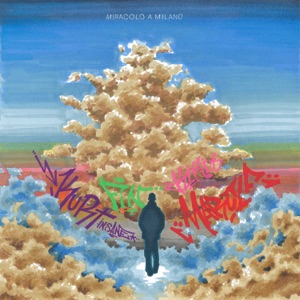 Miracolo a Milano · Alessandro Cicognini, 1951
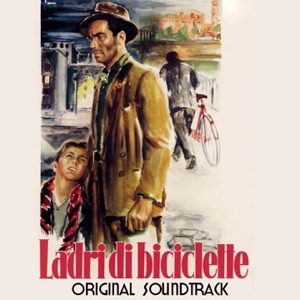 Tema · Alessandro Cicognini, 1948
 La Strada · Nino Rota, 1954
In School of Rock
The chapters, maps and magazine stories of School of Rock are currently available in Dutch only.
- Film Music MapNL Map
See also
- Nino Rota
- Bel canto and Italian opera
- Italian auteur cinema (Fellini, Visconti)
- Parallel cinema (Bengal)