
2 languages
Blues
From HitStory, the pop encyclopedia of School of Rock · Genre
Blues · The blues emerged at the end of the nineteenth century among African Americans in the southern United States, in the decades after the abolition of slavery. It grew out of work songs, field hollers and spirituals. The voice is in dialogue with an instrument, usually the guitar. Blue notes, flattened notes on the third, fifth or seventh, give the melody its plaintive colour. The standard form has twelve bars with three chords and a lyric in three lines: a line, its repetition and an answer.
W.C. Handy published The Memphis Blues in 1912 and St. Louis Blues in 1914, and in 1920 Mamie Smith recorded Crazy Blues, the first blues record by a Black woman singer. In the 1920s Bessie Smith and Ma Rainey sang classic blues. In the countryside the Delta blues of Robert Johnson took shape, with one voice and one acoustic guitar. After the Second World War many Black Americans moved to Chicago, and Muddy Waters and Howlin' Wolf began to play the blues electrically. Alongside Chicago blues flourished the danceable jump blues, from which rhythm and blues grew.
Almost all American popular music carries something of the blues: jazz, rhythm and blues, rock 'n' roll and soul use its form and blue notes. In the 1960s young Britons discovered Chicago blues. The Rolling Stones, named after a Muddy Waters song, and Eric Clapton with Cream played it at full volume and created blues rock, from which hard rock grew.
Listening
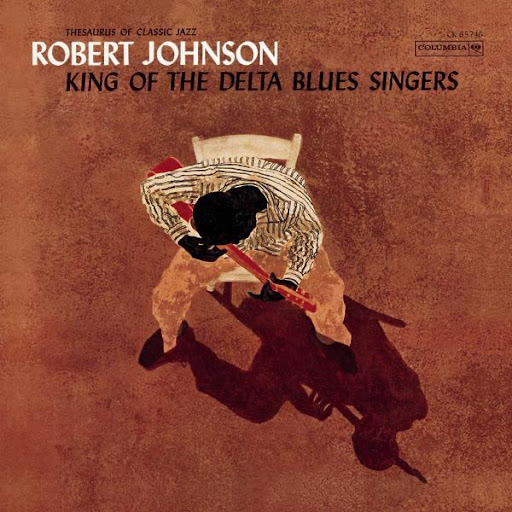 Cross Road Blues · Robert Johnson, 1936Apple Music ↗
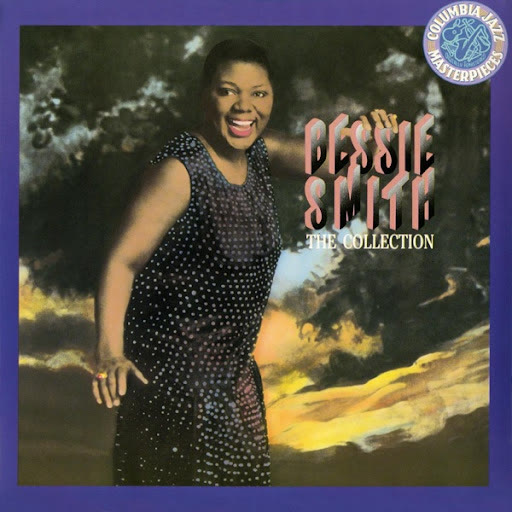 Downhearted Blues · Bessie Smith, 1923Apple Music ↗
 Hoochie Coochie Man · Muddy Waters, 1954Apple Music ↗
See also
- Lead Belly
- Charley Patton
- Little Walter
- Work songs and field hollers
- Spirituals and gospel
- Mondharmonica
- Resonatorgitaar (Dobro)