
2 languages
Pérez Prado
From HitStory, the pop encyclopedia of School of Rock · Artist
Dámaso Pérez Prado was born in 1916 in Matanzas, Cuba, the son of a teacher and a journalist. As a child he studied classical piano and later played organ and piano in local clubs. For a time he was pianist and arranger of the Sonora Matancera, Cuba's best-known dance group. He then founded his own group and in 1946 recorded in Havana, among other things, Trompetiana, a mambo of his own composition and one of the first arranged for big band. He then moved to Mexico, where he developed the genre in several forms.
Music and breakthrough
His 1949 recordings, including Mambo No. 5, won him a contract with RCA Victor in the United States and an eventful career in the 1950s. He was nicknamed the King of the Mambo. In 1955 his mambo arrangement of Cherry Pink and Apple Blossom White topped the charts in the United States and England. In 1958 came Guaglione and his own Patricia. His music was also heard in films, including La Dolce Vita. In the 1960s his popularity faded because of new Latin dances such as pachanga and boogaloo. He returned to Mexico in the 1970s, became a citizen there in 1980 and died there in 1989.
Influence
Prado combined the Cuban danzón with the power of a large big band. He used fierce brass, sharp rhythms and short cries, with which the mambo became a worldwide dance. His son still leads the orchestra.
Listening
 Mambo No. 5 · Pérez Prado, 1949Apple Music ↗
 Cherry Pink and Apple Blossom White · Pérez Prado, 1955Apple Music ↗
Discography
Studio albums
- 1955Voodoo Suite
- 1956Havana 3 A.M.
- 1958Mambo en sax
- 1958Prez
- 1960A Touch of Tabasco
- 1961Latino!
- 1967Concierto para bongo
- 1967Great Mambos, Also Other Latin American Favorites
- 1970Pérez Prado 70
- 1980A la Sasha Montenegro y otros mambos
- 1991Cuban Mambo
- 1993Bésame mucho
- 1994Mambos
- 2004King of Mambo
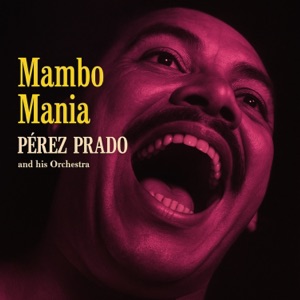
- 2015Mambo Mania
- ?A Proper Introduction to Perez Prado: The Mambo King
- ?Benny Moré and Perez Prado
- ?El Señor Ritmo
- ?Mambo Mambo
- ?Mambo Mania
- ?Melodía de amor
- ?Perez Prado & Benny Moré
- ?Pops and Prado
- ?Sucessos Multisom Cover Music
Mentioned in other articles
- Mambo Genre
From 1949 the pianist and bandleader Dámaso Pérez Prado made it a craze in Mexico City, with a big band that had the brass play sharp and high.