
2 languages
Danongan Kalanduyan and the Palabuniyan Kulintang Ensemble
From HitStory, the pop encyclopedia of School of Rock · Artist
Danongan Kalanduyan and the Palabuniyan Kulintang Ensemble · Danongan Kalanduyan was a master of the kulintang, the music of the Maguindanao of the southern Philippines. Anyone who listens to his ensemble hears an age-old gong tradition. Kulintang is the term for a row of small gongs laid horizontally on a rack, which play the melody. They are played with two wooden sticks. Around them sound larger, hanging gongs and drums. The whole falls within the broader gong culture of Southeast Asia, which also includes the gamelan of Java and the piphat of Thailand and neighbouring countries.
Music and breakthrough
The name palabuniyan, in the sources palabunibunyan, means something like an ensemble of loud instruments or making music with kulintang. The ensemble of five or six instruments is also called basalen. The music is orchestral: each instrument has its own rhythmic part, and these layers are stacked neatly on top of one another. The scale is pentatonic. Kulintang music is regarded as a tradition older than the influence of Hinduism, Buddhism, Islam, Christianity and the West. In the Philippines it is seen as the highest form of gong music.
Influence
Kalanduyan kept this tradition alive and taught it to a new generation, also outside the Philippines. In this way a musical form that had long remained local reached stages and classrooms in other parts of the world. In School of Rock, his ensemble shows how dance music without piano, guitar or drums can still sound rich.
Listening
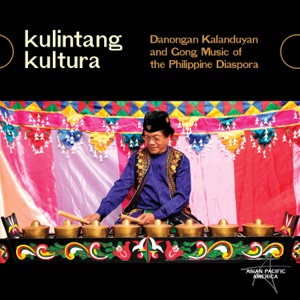 Kapamalong-malong Dance Music I · Danongan Kalanduyan and the Palabuniyan Kulintang Ensemble, 2021