
2 languages
Billy Strayhorn
From HitStory, the pop encyclopedia of School of Rock · Artist
Billy Strayhorn grew up in Pittsburgh and as a teenager had already written the song Lush Life. In 1938 he showed his work to Duke Ellington, who took him on. For almost thirty years he worked as composer, arranger and second pianist of the orchestra. He wrote Take the 'A' Train, which from 1941 became the band's signature tune, and ballads such as Chelsea Bridge. Often it is no longer possible to tell which part of a piece by Ellington is Ellington's and which is Strayhorn's. Strayhorn lived openly as a gay man, which was rare at the time, and committed himself to the civil rights movement. He died in 1967 of cancer.
Listening
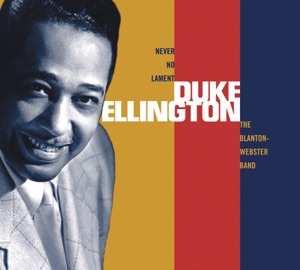 Take the "A" Train · Duke Ellington, 1941
- Chelsea Bridge · Duke Ellington, 1941
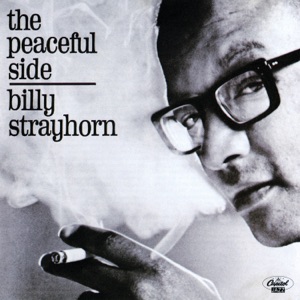 Lush Life · Billy Strayhorn, 1961
Discography
Studio albums
- 1951Mercer Records Presents the Billy Strayhorn Trio
- 1959Cue for Saxophone
- 1963The Peaceful Side of Jazz
- 1991Great Times!
- 2007Take the A Train
- 2013Nutcracker Suites
- 2018Duke Ellington and Billy Strayhorn
- 2018Duke Ellington and Billy Strayhorn
- 2018Piano Duets: Great Times!
- 2018Piano Duets: Great Times!
- 2020Billy and Friends
- 2020Lush Life
- 2020Lush Life
- 2021In My Solitude: Solo Piano and Small Group Performances
- 2021In My Solitude: Solo Piano and Small Group Performances
- 2024Reflections of Billy Strayhorn
- 2024Reflections of Billy Strayhorn
- ?Jazz en Buenos Aires
Other work
- 1941Take the 'A' Train · Duke Ellington Orchestra
- 1941Chelsea Bridge · Duke Ellington Orchestra
- 1966The Far East Suite · with Ellington
In School of Rock
The chapters, maps and magazine stories of School of Rock are currently available in Dutch only.
- Jazz MapNL Map
- Mixtape 1: The Origins of Pop MusicNL Reader
- The Dream Factory: Film Reel 4NL Reader
- After Hours: Session 4NL Reader
- Magazine: Jazz as a Secret WeaponNL Magazine
Mentioned in other articles
- Jazz in film Genre
Duke Ellington and Billy Strayhorn made the music for Anatomy of a Murder (1959), and Ellington plays a small role in the film himself.