
2 languages
Chance and silence: John Cage
From HitStory, the pop encyclopedia of School of Rock · Genre
Chance and silence: John Cage · At first John Cage prepared the piano with screws and rubber; from 1951 he let chance take part in the composing and determined notes, durations and volumes with the Chinese oracle book I Ching. In Imaginary Landscape No. 4, twelve radios play, and what is heard depends on that evening's broadcasts. In 1952, in 4'33", the pianist David Tudor sat silently at the grand piano for more than four minutes, so that the sounds in the hall became the music.
Listening
Listening tip. In Imaginary Landscape No. 4, hear how scraps of radio voices, music and noise alternate by chance.
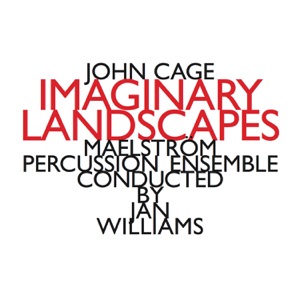 Imaginary Landscape No. 4, voor twaalf radio's (Maelström Percussion Ensemble) · John Cage, 1951
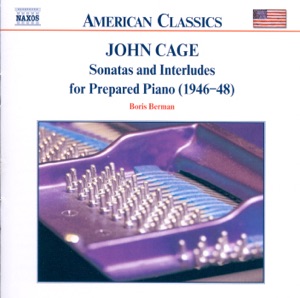 Sonatas and Interludes: Sonata V (Boris Berman) · John Cage, 1948
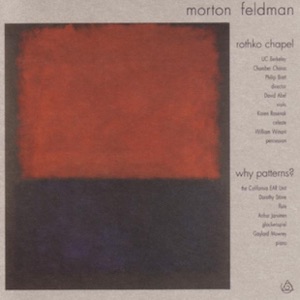 Rothko Chapel: vijfde deel (Karen Rosenak, David Abel e.a.) · Morton Feldman, 1971
See also
Categories: Genres