
2 languages
Vilayat Khan
From HitStory, the pop encyclopedia of School of Rock · Artist
Vilayat Khan was born in 1928 in Gouripur, in present-day Bangladesh, and died in 2004. He came from a family of sitar players: his father Enayat Khan and his grandfather Imdad Khan were famous. His father died when he was ten, so he was taught by his uncle, his maternal grandfather and his mother. As a boy he wanted to become a singer, but his mother felt that he should continue the family tradition on the sitar. He made his first record when he was eight. He gave his last concert at the age of seventy-five.
Music and breakthrough
Khan is regarded as one of the greatest sitarists of his time. He helped develop the gayaki ang, a style of playing in which the sitar imitates the singing voice, so that the instrument almost seems to sing. He invented a technique for bending the note after plucking the string. He improvised a great deal and liked to play without the tanpura drone, filling the silence with strokes on the chikari strings. At the same time he remained a traditional interpreter of great ragas such as Yaman, Todi and Darbari.
Influence
He also left his mark on film. He wrote the music for Satyajit Ray's Jalsaghar from 1958, for which he won a silver medal in Moscow, and for The Guru from 1969 and Kadambari from 1976. In 1951 he was probably the first Indian musician to play in England after independence.
Listening
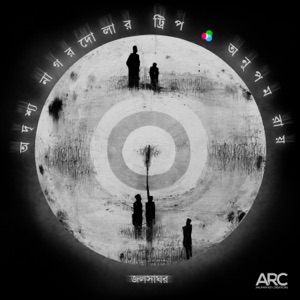 Jalsaghar · Vilayat Khan, 1958
Discography
Studio albums
- 1955Ustad Vilayatkhan Plays Sitar (The Indian Musical Instrument)
- 1962Music of India
- 1963Music of India No. 2
- 1965Sitar-Nawaz
- 1966The Genius of Vilayat Khan
- 1966The Great Heritage
- 1967A Night at the Taj
- 1967Duets
- 1968The Supreme Genius of Ustad Vilayat Khan
- 1969The Guru (soundtrack)
- 1969Ustad Vilayat Khan
- 1972Raga Yaman
- 1976Kadambari (soundtrack)
- 1979The Brilliance Of Sound
- 1980Enchanting All The Way
- 1985Aftaäb-E-Sitar
- 1989Le Salon De Musique (soundtrack)
- 1989Raga Desh - Evening Raga
- 1990‘Triveni’ Sitar
- 1990Royal Touch on Sitar
- 1991Ustad Vilayat Khan Sitar Raga Bhairavi
- 1992Raga Jaijaivanti
- 1995Eb'adat - Ragini Yamani
- 1996Inspiration India - Duets for Sitar, Surbahar, Shehnai
- 1997Darbari Kanada
- 1999Raga Shree
- 2000Raga Sanjh Saravali
- 2001Raga Enayetkhani Kanada
- 2002Inayat
- 2004Raga Marwa
- 2012Masterworks From the NCPA Archives
- 2013A Night to Remember
- 2014Icons of Indian Classical / Ustad Vilayat Khan
- 2014Sur-Siddhi / A Rare Genius
- ?A Rare Jugalbandi
- ?Captivating Melodies of Sitar
- ?Evergreen Yaman
In School of Rock
The chapters, maps and magazine stories of School of Rock are currently available in Dutch only.
- The Dream Factory: Film Reel 6NL Reader
Mentioned in other articles
- Parallel cinema (Bengal) Genre
Vilayat Khan (Jalsaghar, 1958) and Ali Akbar Khan (Devi, 1960) also worked for Ray.