
2 languages
Sol Hoʻopiʻi
From HitStory, the pop encyclopedia of School of Rock · Artist
Sol Hoʻopiʻi, born Solomon Hoʻopiʻi Kaʻaiʻai, was a Hawaiian lap steel guitarist, born in Honolulu in 1902 as the twenty-first child in a large family. His family taught him to sing and play. At three he played the ukulele, and as a teenager he chose the Hawaiian steel guitar. At seventeen he is said to have sailed on a steamship with two friends, after which the passengers, charmed by their playing, collected the money for the crossing. In San Francisco and later Los Angeles he played in clubs. In 1924 he formed the Sol Hoʻopiʻi Trio in Los Angeles, which performed in the Polynesian-style nightspots that were popular at the time.
Music and breakthrough
He made his best-known recordings between 1933 and 1938 with his Novelty Trio, Quartette and Five, for Decca and Brunswick, with songs such as Hula Girl and Ten Tiny Toes. He first played acoustic, but around 1935 switched to electric lap steel and developed a tuning of his own alongside the usual open A or open G. He often gave the standards of Tin Pan Alley, but also classic Hawaiian songs, a bluesy or jazzy treatment. In 1938 he gave up his worldly existence to play for the evangelist Aimee Semple McPherson. In his last years he went blind, but he kept playing, composing and teaching. He died in 1953.
Influence
His idiosyncratic rhythm, harmony and melody influenced not only Hawaiian musicians, but also steel guitarists from country and Western swing, such as Joaquin Murphy and Jerry Byrd. In 2012 the Library of Congress added his recording of Fascinating Rhythm to the National Recording Registry.
Listening
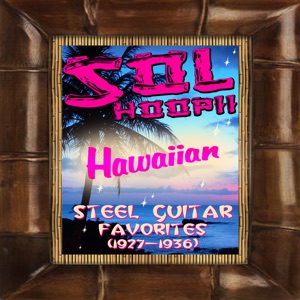 Hula Blues · Sol Hoʻopiʻi, 2012
Discography
Studio albums
- 1991Master of the Hawaiian Guitar, Volume 1
- ?Master of the Hawaiian Guitar, Volume Two