
2 languages
Slowdive
From HitStory, the pop encyclopedia of School of Rock · Artist
Slowdive is an English rock band from Reading, Berkshire, founded in October 1989 by Neil Halstead and Rachel Goswell, two friends who had known each other since the age of six. They were both singers and guitarists. The bass player Nick Chaplin and the guitarist Christian Savill joined them, and later the drummer Simon Scott came along. Halstead is the main songwriter. The band quickly signed with Creation Records, at an average age of nineteen. In November 1990 the first EP, Slowdive, was released, followed by Morningrise and Holding Our Breath. The single Catch the Breeze topped the British indie chart.
Music and breakthrough
The debut album Just for a Day came out in September 1991 and was rejected by a large part of the press, because a reaction against shoegaze was beginning, the movement of bands with sharp guitars and floating vocals modelled on My Bloody Valentine. Souvlaki, with Alison, followed in 1993 and made Slowdive one of the leading groups of British shoegaze. In 1995 Pygmalion was released, after which the band split up. Halstead and Goswell carried on with a more folk and country sound as Mojave 3. In 2014 Slowdive played Primavera Sound again, and in 2017, after twenty-two years, a new album was released, Slowdive. Everything Is Alive came out in 2023 and reached the top ten in the Netherlands and the United Kingdom, among other countries.
Influence
The music is dreamy and layered: guitars that, through reverb and effects, turn into a cloud, with soft, distant-sounding vocals. Slowdive was long underrated, but later received great appreciation and inspired new generations of guitar bands.
Listening
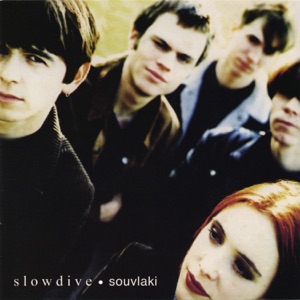 Alison · Slowdive, 1993Apple Music ↗
Discography
Studio albums
- 1991Just for a Day
- 1993Souvlaki
- 1995Pygmalion
- 2017Slowdive
- 2023everything is alive
Mentioned in other articles
- Indie pop and shoegaze Genre
Around 1990 shoegaze emerged: bands such as My Bloody Valentine and Slowdive built walls of distorted, floating guitars, and on stage looked mostly at their effects pedals, at their shoes.