
2 languages
Septeto Nacional de Ignacio Piñeiro
From HitStory, the pop encyclopedia of School of Rock · Artist
The Septeto Nacional, in full the Septeto Nacional de Ignacio Piñeiro, was a Cuban group that developed the son, the music style of Cuba, further before Arsenio Rodríguez did so. The group began in 1927 as a sextet in the centre of Havana, under the leadership of Ignacio Piñeiro. The most important innovation was that a trumpet was added to the percussion, the vocals and the stringed instruments. That brought the number of musicians to seven and gave the name septeto its meaning.
Music and breakthrough
In 1929 the group played at the Ibero-American Exposition in Seville. In 1933 it was invited to the world's fair Century of Progress in Chicago. That same year Lázaro Herrera took over the leadership, because Piñeiro left the group for financial reasons. Despite the success the musicians earned very little. In 1937 the group broke up, but in 1940 it came together once more for a recording and later for a television appearance. Later compilations of its work appeared, such as Sones Cubanos and Poetas del son.
Influence
The septet's music is son in its classic form: vocals in changing voices, guitar and tres, trumpet and percussion, with a rhythm that dances but does not rush. The sound is one of the building blocks on which salsa was later built. For anyone who wants to understand the history of Latin American pop, this group is an early and important example.
Listening
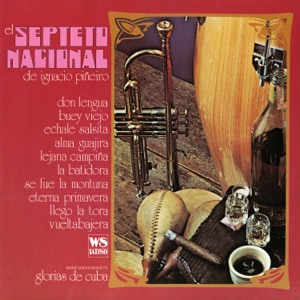 Échale Salsita · Septeto Nacional de Ignacio Piñeiro, 1930Apple Music ↗
Discography
Studio albums
- 1962Sones Cubanos
- 1965Septeto Nacional de Ignacio Piñeiro
- 1999Havana Mood
- 1999Más cuba libres
- 1999Son de la loma
- 2002Poetas del son