
2 languages
Pixinguinha & Benedito Lacerda
From HitStory, the pop encyclopedia of School of Rock · Artist
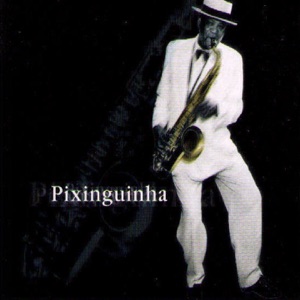
Pixinguinha & Benedito Lacerda · Pixinguinha was the nickname of Alfredo da Rocha Viana Filho, a Brazilian composer, arranger, flautist and saxophonist, born in 1897 in Rio de Janeiro. His father was a flautist and owned a large collection of choro scores. He regularly held music evenings at home. In 1912 Pixinguinha was already playing in cabarets and revues in the Lapa district. Later he became flautist in the house orchestra of the Cine Rio Branco cinema, where live music accompanied silent films. In 1914 he formed the band Caxangá with his friends João Pernambuco and Donga.
Music and breakthrough
In 1919 he founded Os Oito Batutas with his brother and other musicians. The line-up was at first traditional, with flute, guitars, cavaquinho, banjo cavaquinho and hand percussion. The group played in the lobby of the Cine Palais cinema, and its music soon became more popular than the films themselves. It played folk music from the north-east of Brazil, sambas, maxixes, waltzes, polkas and Brazilian tangos. Black and white musicians played together, and this happened in places where Black performers had not previously been admitted. That led to a debate about race and about the influence of Europe and the United States on Brazilian music.
Influence
Pixinguinha developed the choro, a style that combines Afro-Brazilian rhythms with European influences. He joined the music of nineteenth-century composers with modern, jazz-influenced harmonies and refined arrangements. He was one of the first Brazilian musicians to embrace radio and the studio. His best-known compositions are Carinhoso, Glória, Lamento and Um a Zero. The course mentions Um a Zero from 1946 together with Benedito Lacerda, about whom the local source file says nothing, so this text follows Pixinguinha alone.
Listening
 Um a Zero · Pixinguinha & Benedito Lacerda, 1946