
2 languages
Aga Mayo Butocan
From HitStory, the pop encyclopedia of School of Rock · Artist
Aga Mayo Butocan was a master of the kulintang, the music of the Maguindanao in the south of the Philippines. Kulintang is an ancient instrumental tradition. A row of small gongs lies horizontally on a frame and carries the melody. Larger hanging gongs and drums accompany. The player strikes the bosses of the gongs with two wooden sticks. Since the twentieth century a Maguindanao ensemble has usually consisted of five or six instruments.
Music and breakthrough
This music belongs to the gong culture of Southeast Asia, alongside the gamelan of West Java and the piphat of Thailand, Burma, Cambodia and Laos. Kulintang is older than the influences of Hinduism, Buddhism, Islam, Christianity and the West. There are hardly any recorded sources about its origin.
Influence
Butocan played a key role in handing down that tradition. In 1968 the ethnomusicologist José Maceda at the University of the Philippines drew attention to her new interest in kulintang. Butocan devised a notation system and wrote Palabunibunyan, a collection of kulintang pieces from Maguindanao, which made the music easier to learn. She also stressed the improvised character of the playing. That made kulintang popular among students from all over the country. For a Western listener the sound takes some getting used to: bright and metallic, without chords, with repetition and variation instead of a build-up to a chorus.
Listening
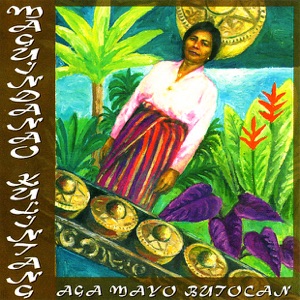 Sinulog a Bagu (Kulintang Galang) · Aga Mayo Butocan, 2008