SoR Magazine #1 · Cold War · story 4 of 5
Dutch pop in the Cold War
Half a million people in The Hague, a ska hit about the bomb and birds flying over the Wall: how the Netherlands sang against the cruise missiles in the 1980s.
← Previous story: Living with the bomb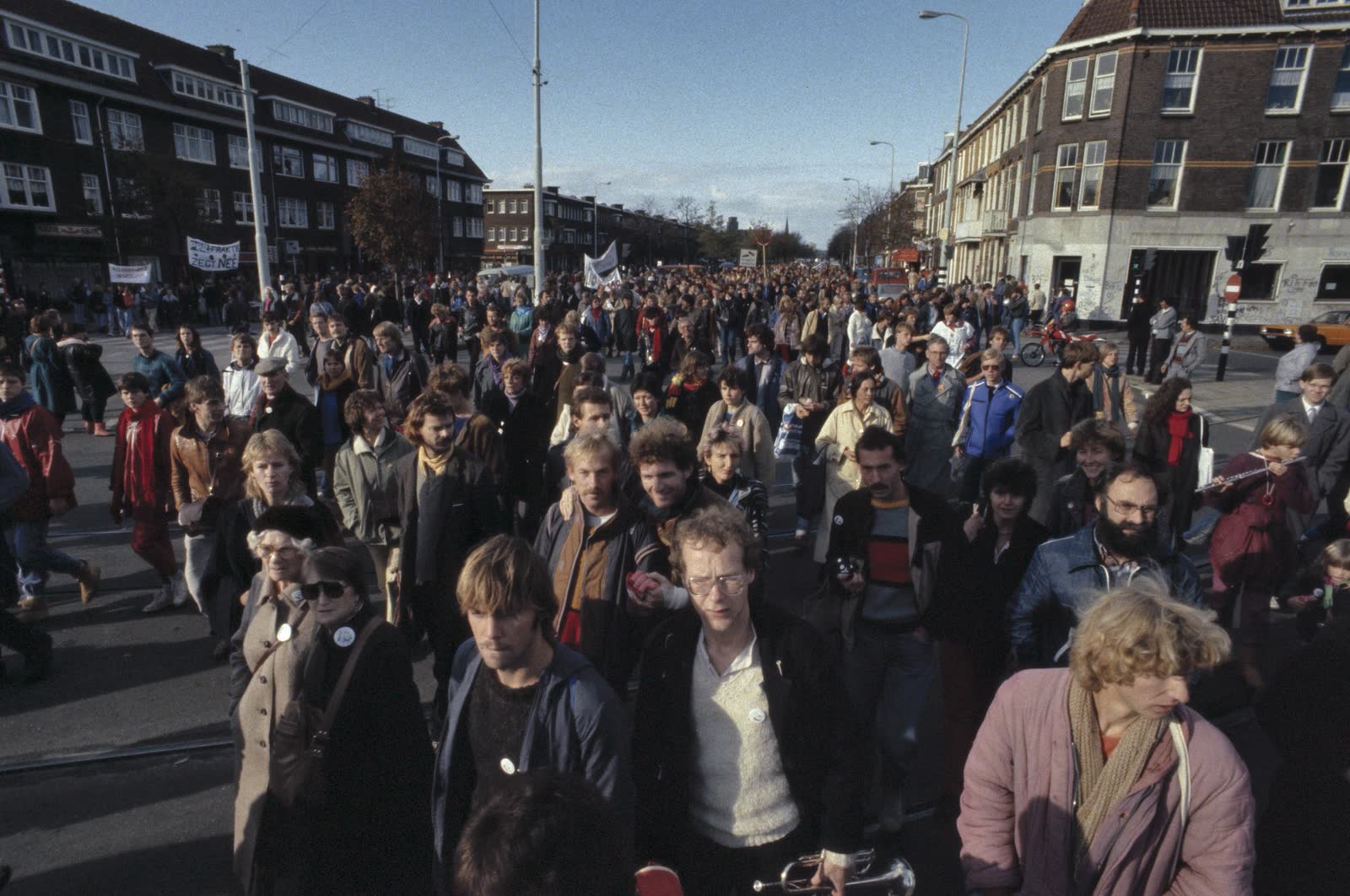 Photo: Marcel Antonisse / Anefo · CC0
Hollanditis
In December 1979, NATO, the alliance of America and Western Europe, decided to deploy new missiles. The Soviet Union had aimed missiles at Europe, and NATO wanted to answer with something of its own. In five countries, 572 American nuclear missiles were to be stationed. Forty-eight of them were destined for the Woensdrecht air base, in North Brabant. They were called .
In the Netherlands this set off a wave of resistance. On 21 November 1981, more than four hundred thousand people took to the streets of Amsterdam. The American historian Walter Laqueur coined a word for it: Hollanditis, as if the resistance were spreading like a disease.
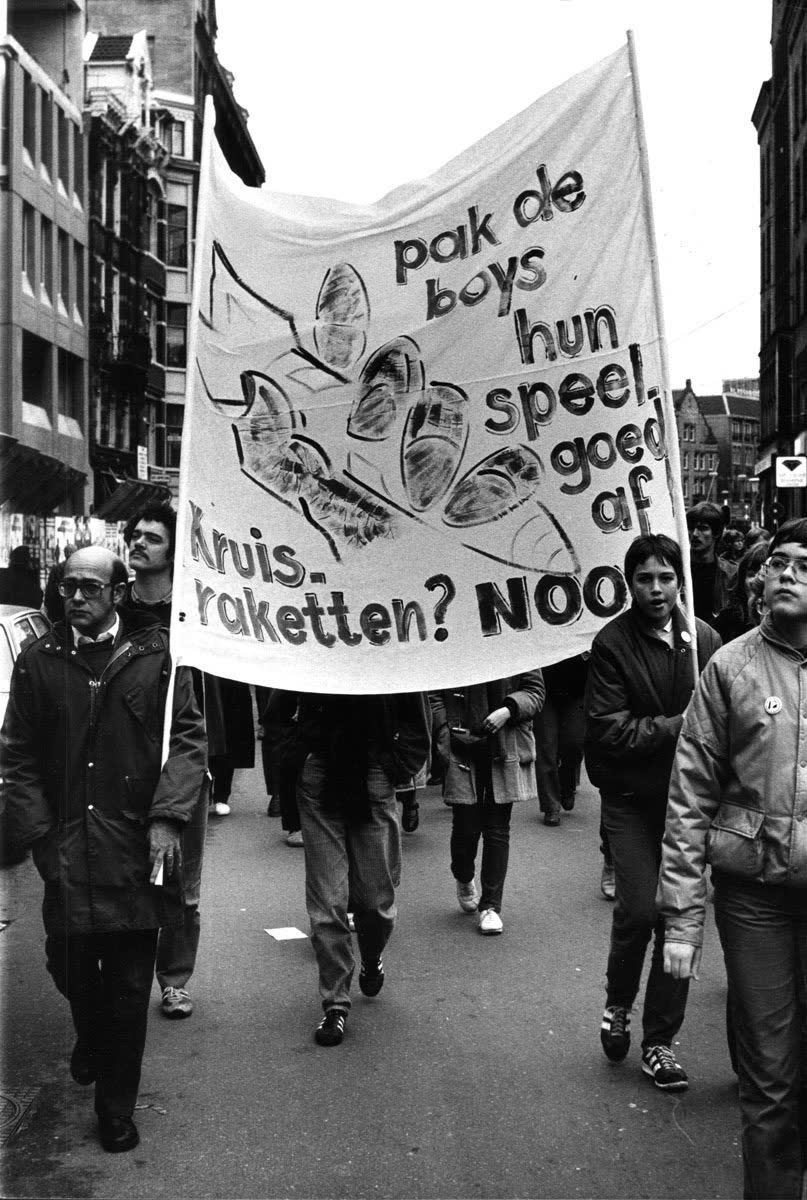 Photo: Ad Volker, collectie IISG · CC BY 2.0
Singing in Bonn
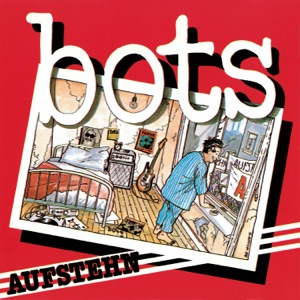
Six weeks earlier, on 10 October 1981, about three hundred thousand people gathered in the Hofgarten in Bonn, then the capital of West Germany. The writer Heinrich Böll gave the main speech. On stage, among others, were Harry Belafonte and a band from the Netherlands: Bots.
Bots made protest songs about war, injustice and the army. In the Netherlands they had had only one real hit, in 1976: Zeven dagen lang (Seven Days Long), set to the melody of an old Breton drinking song. In Germany it was different. German writers translated their songs, and in 1980 Sieben Tage lang came out. It became a song of the German peace movement, and Bots played for hundreds of thousands.
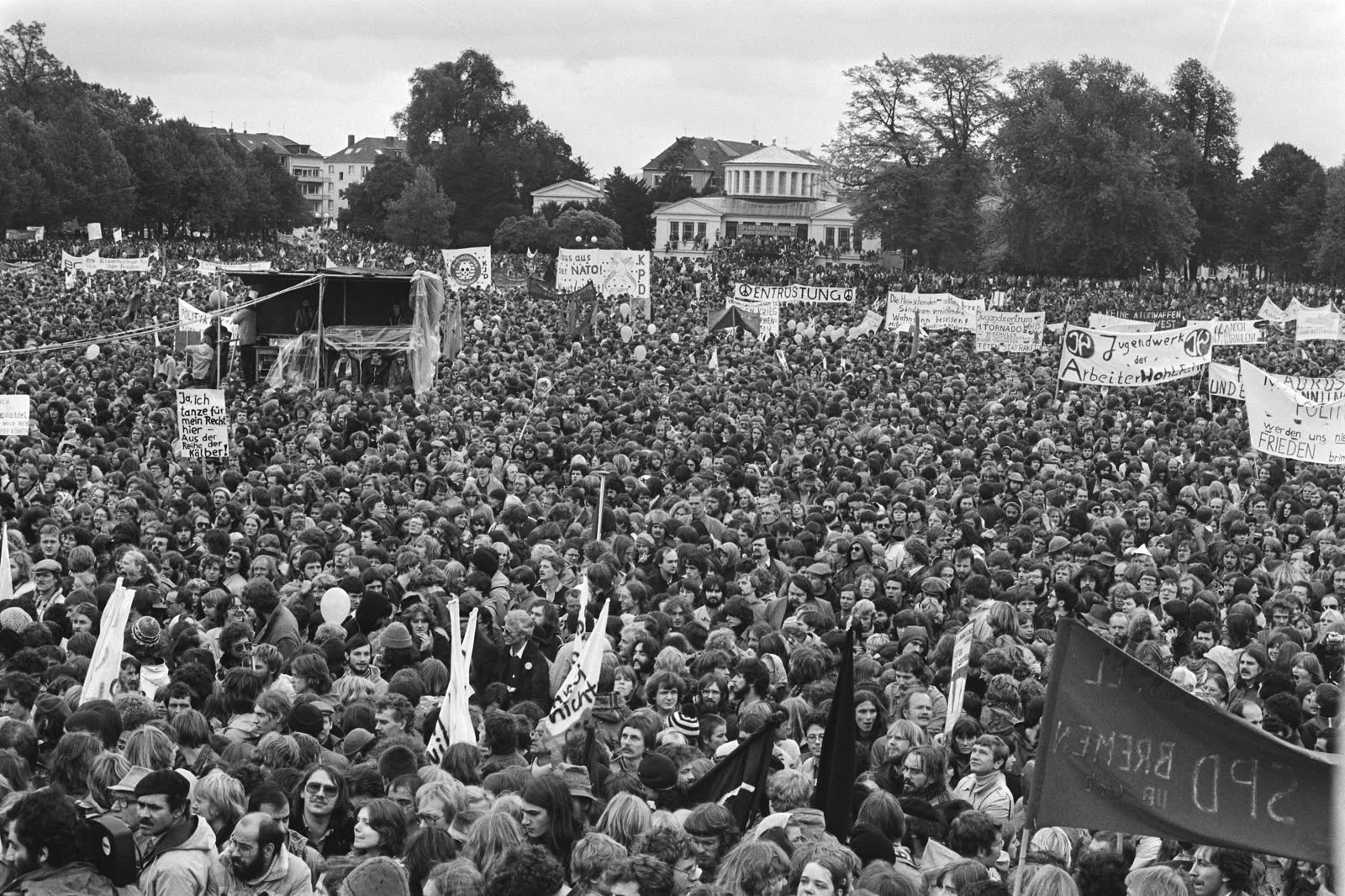 Photo: Rob Bogaerts / Anefo · CC0
Ska against the bomb
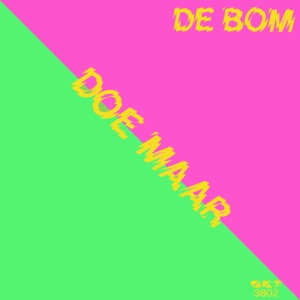
In early 1982, Ernst Jansz of Doe Maar wrote a song about the cruise missiles. The band played it for the first time on 9 April 1982, at a festival against nuclear weapons in Utrecht. Singer Henny Vrienten then reworked it. Without him, Jansz said later, it would never have become a hit.
Drummer Jan Pijnenburg had just been in a car accident, so a drum machine played along. De bom (The Bomb) came out in October 1982, and at the beginning of December it was number one, for four weeks. The song is about an ordinary life, with work, a diary and a crush, that could stop at any moment. It ends with a list of German prepositions, the list that Dutch schoolchildren learned by heart, and the ticking of a Geiger counter, a meter for radiation.
 Photo: Fotopersbureau De Boer · CC0
Spies in the twilight
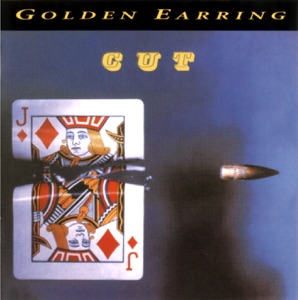
Golden Earring also touched on the Cold War, but as a thriller. Guitarist George Kooymans read the spy novel The Bourne Identity and wrote Twilight Zone, about a secret agent in a tight spot. The video clip by Dick Maas had singer Barry Hay captured as a spy by his own bandmates.
The clip aired on MTV, the new music channel in America. In 1983 Twilight Zone reached number ten in the chart there, the only top-ten hit the band ever had in America.
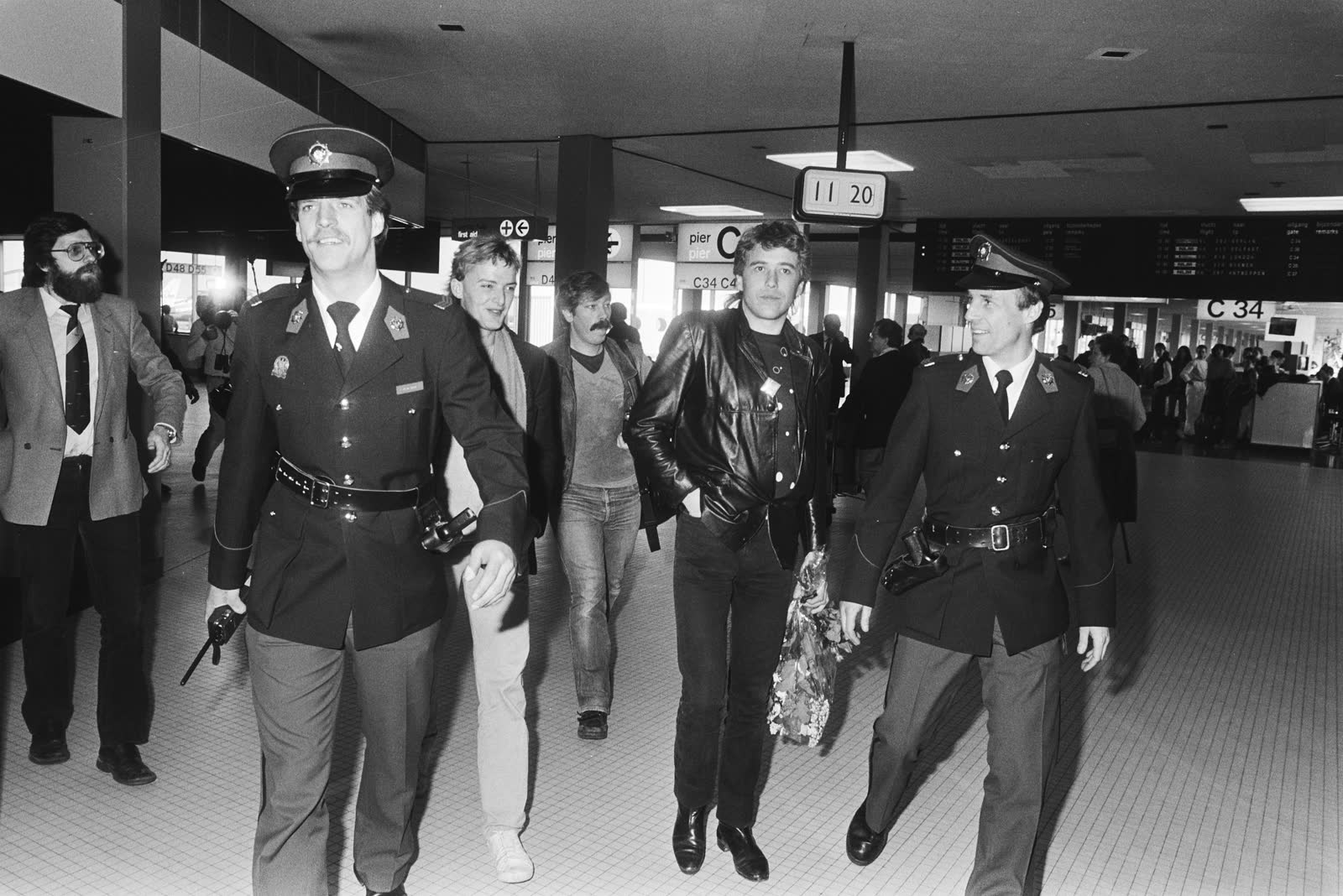 Photo: Rob Bogaerts for Anefo · CC0
Half a million in The Hague
On 29 October 1983, around five hundred and fifty thousand people gathered in The Hague, on the Malieveld and in the Zuiderpark. It was the biggest demonstration the Netherlands had ever seen. Trade unions, churches and political parties marched along. Many demonstrators wore a button by the cartoonist Opland, showing a woman kicking away a cruise missile.
Photo: Marcel Antonisse / Anefo · CC0Princess Irene, the sister of Queen Beatrix, unexpectedly addressed the crowd. In 1985, 3.7 million signatures against the missiles were handed to Prime Minister Ruud Lubbers. Even so, on 1 November 1985 the government decided that the missiles would come, unless the Soviet Union reduced its own missiles.
Because of the weapons we have now made, we stand at the edge of the abyss.Princess Irene, The Hague, 1983
Birds over the Wall
Around 1970, Harrie Jekkers, the singer of Klein Orkest, stood at , the border crossing between West and East Berlin. He saw people being stopped and checked, while a dog simply walked past the border guards. Years later he wrote a song about it. The dog became birds: they fly over the Wall, and nobody can call them back.
Over de muur (Over the Wall) came out on 1 November 1983, three days after the demonstration in The Hague. The song looks in two directions. In the East, anyone who criticises the state disappears into a cell. In the West there is freedom, but also poverty in the Kreuzberg district and a Kurfürstendamm full of peep shows. Jekkers thought nobody would want to hear a song with difficult German street names. It reached number nine in the Nationale Hitparade.
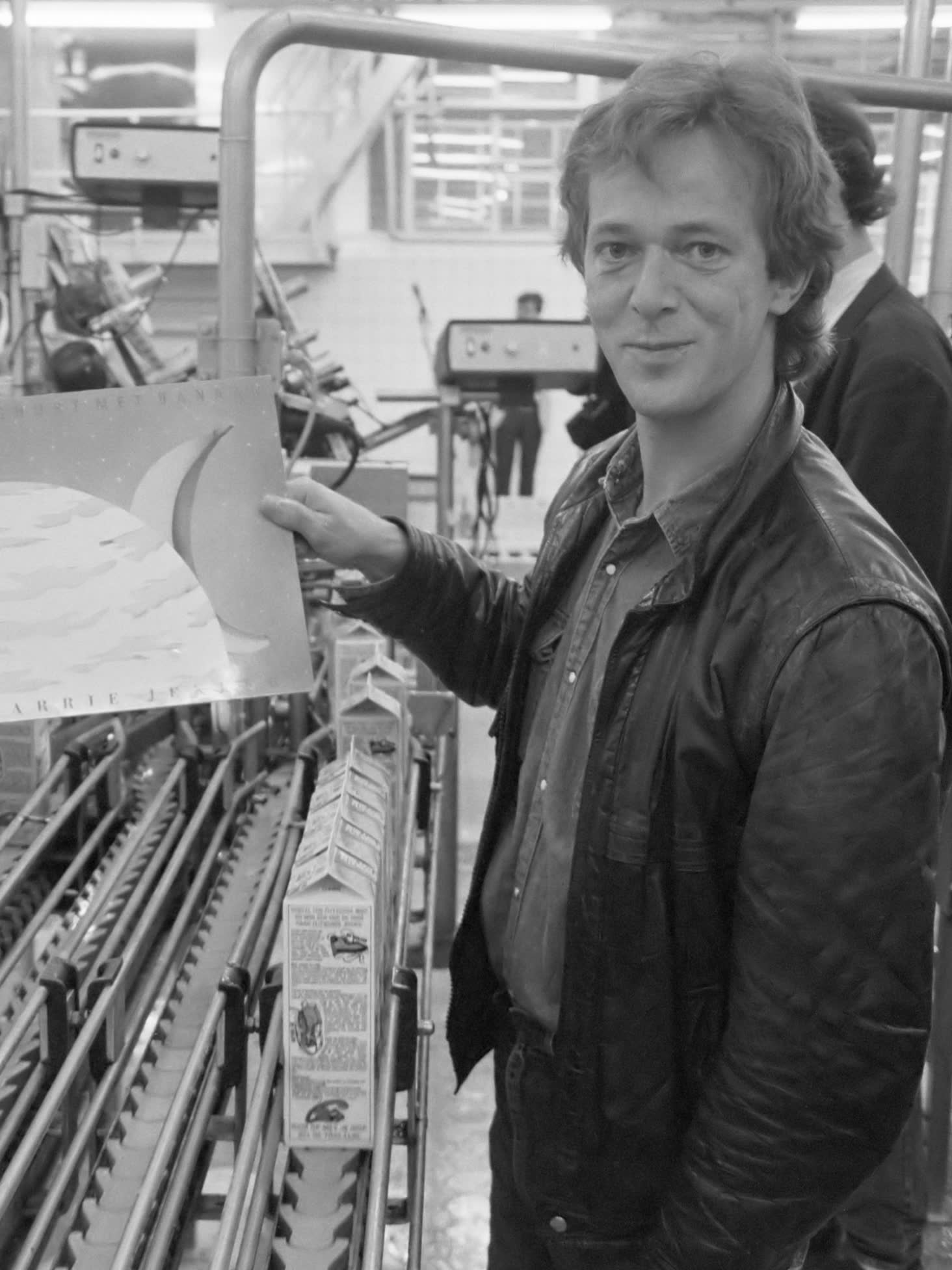 Photo: Rob Croes for Anefo · CC BY-SA 3.0 nl
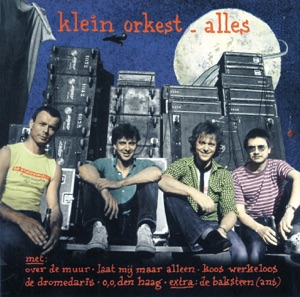
The missiles never came to Woensdrecht. In December 1987, Reagan and Gorbachev agreed that all intermediate-range missiles would disappear, in East and West alike. Two years later the Wall fell, and Over de muur was released again. Now it sounded like a song about something that was over.