SoR Magazine #1 · Cold War · story 2 of 5
Rock behind the Iron Curtain
Long-haired bands that went to prison, a singer who was not allowed to go home and a Bruce Springsteen concert in East Berlin: how rock became an act of resistance in the Eastern Bloc.
← Previous story: Jazz as a secret weapon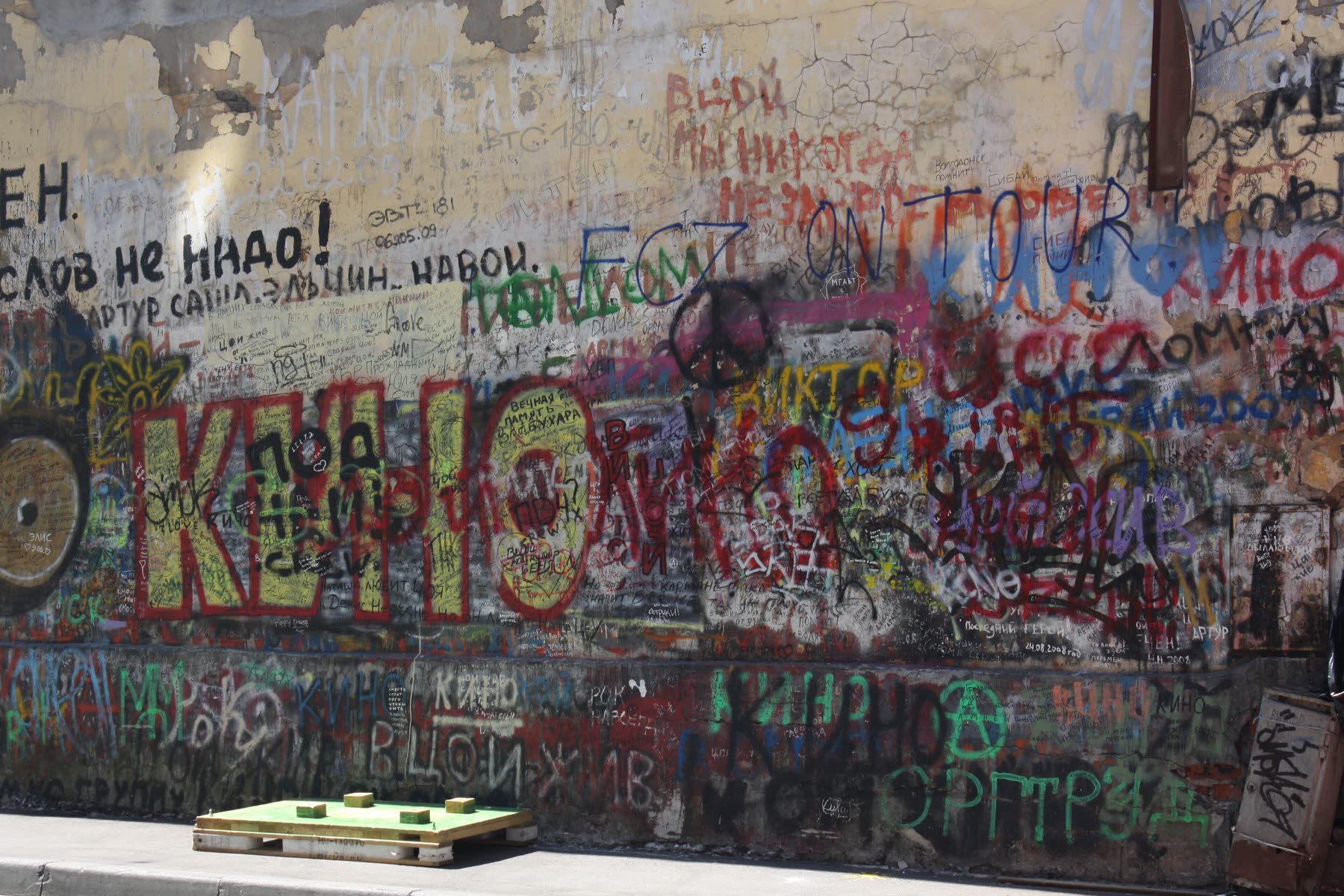 Photo: Hshuvaeva · Public domain
A band that was not allowed to exist
In August 1968, tanks from the Soviet Union and its allies rolled into Prague. The short spring of freedom in Czechoslovakia was over. Less than a month later, the seventeen-year-old bassist Milan Hlavsa started a band. He named it after a Frank Zappa song: The Plastic People of the Universe. Their great example was The Velvet Underground from New York.
In 1970 the government took away the band's licence. Anyone without a licence was not allowed to perform as a musician and officially had no profession. The Plastic People played anyway, in places out of the authorities' sight, for an audience that heard by word of mouth where they were playing. Their lyrics came from Egon Bondy, a poet whose work was banned too.
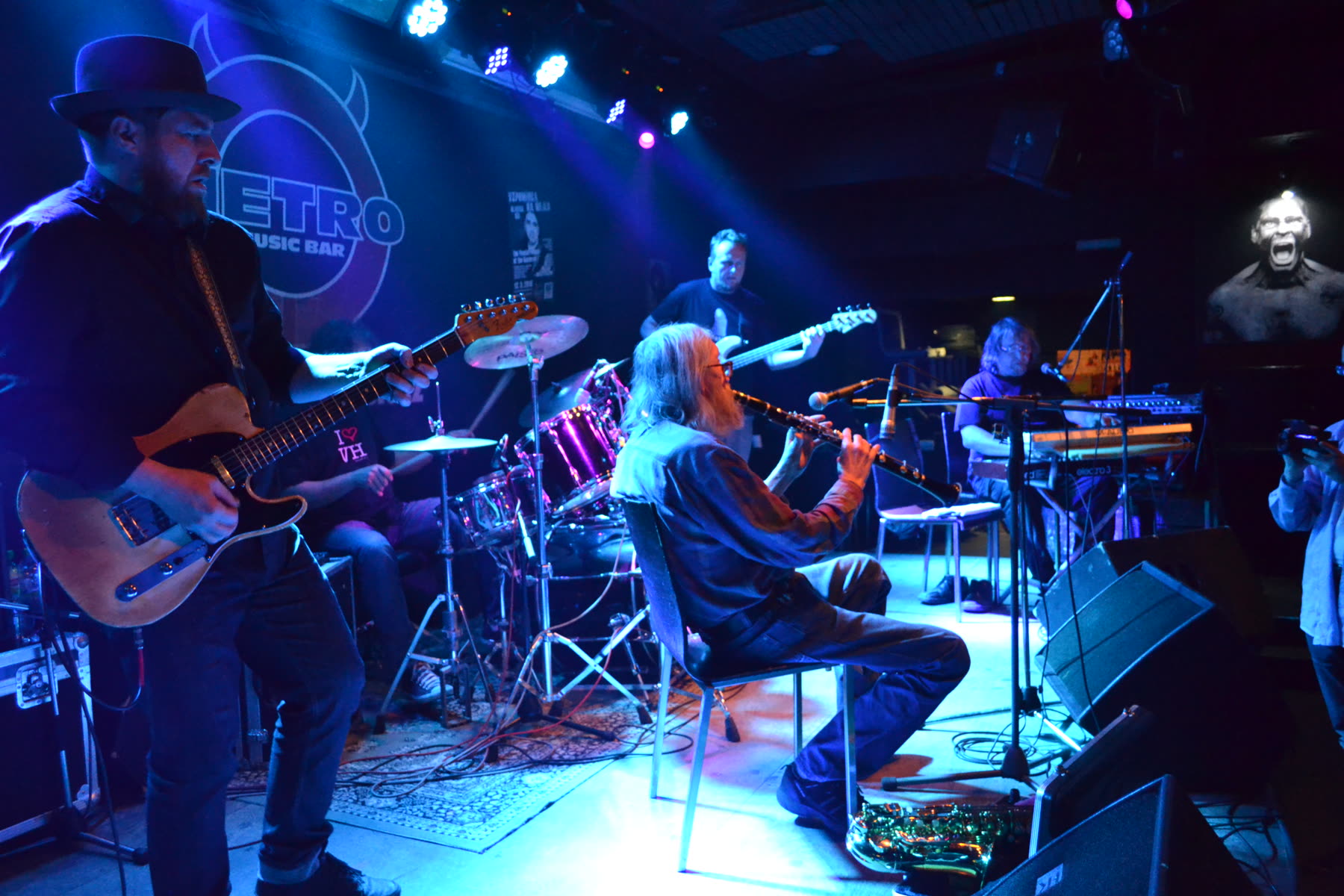 Photo: Jiripichl · CC BY-SA 4.0
In 1976 they played at a festival of what the underground scene called the second culture. Soon afterwards the musicians were arrested. The judge sentenced them to between eight and eighteen months in prison for organised disturbance of the public order. That trial was one of the reasons why the playwright Václav Havel and others wrote in January 1977, a declaration on human rights. Thirteen years later Havel was president.
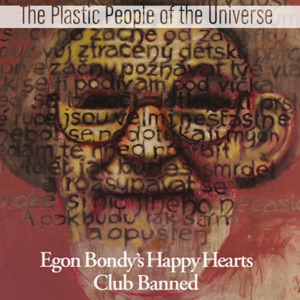
Magické noci, from the album the band recorded in 1974, which was not released until years later in France. Hear how raw and slow it sounds: this is not music to dance to, but to listen to what was not allowed to be said.
One songwriter too many
In the GDR, the communist East Germany, the state also kept a close watch on music. The singer Wolf Biermann had not been allowed to perform in his own country for years. In November 1976 he received permission for a tour of West Germany. While he was there, the GDR stripped him of his citizenship. He was not allowed to return.
Well-known writers and actors in the GDR, among them the author Christa Wolf, protested. That same year Nina Hagen also left for the West, together with her mother, the actress Eva-Maria Hagen, who lived with Biermann. In the GDR Nina Hagen was already a star, with a cheerful song about a boyfriend who forgot the colour film for his camera on holiday. In the West she became one of the faces of German punk.
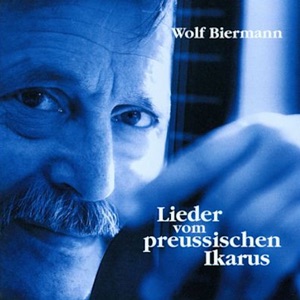
Biermann wrote the song for a poet friend who, like him, was being obstructed: don't let yourself be hardened, he sings, in these hard times.
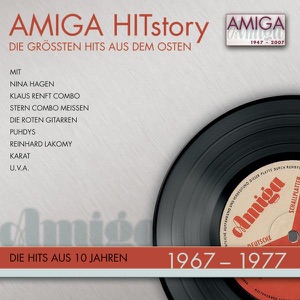
A hit from 1974, on the state label Amiga. A cheerful schlager, but if you listen closely, you can hear a wink in it at a country where colour was scarce.
Bridges across the border
Sometimes a song simply jumped over the Wall. In April 1978 East German television broadcast a film with a new song by the band Karat: Über sieben Brücken musst du gehn. The same day, viewers from East and West phoned the station to ask where they could buy the record. In 1980 the West German singer Peter Maffay recorded the song. It reached number four in the charts.
Karat themselves were not allowed to appear on West German television in those years. Only after 1990 did Maffay and Karat sing the song together.
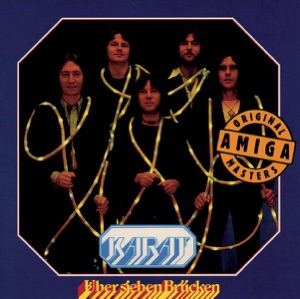
Seven bridges you must cross, seven dark years you must endure. Seven times you will be the ashes, but once also the bright light. A love song, but in a divided country it sounded like much more.
Heroes by the Wall
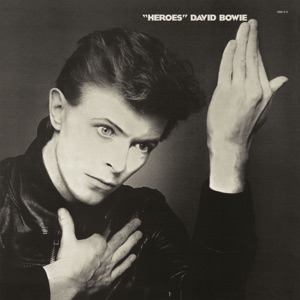
In the summer of 1977 David Bowie recorded an album in West Berlin at Hansa Studio, a few hundred metres from the Wall. From the window he saw two lovers kissing by the Wall. They were his producer Tony Visconti and a singer, Antonia Maass. Bowie turned it into a song about two people who can only be heroes for one day: Heroes.
Ten years later, on 6 June 1987, Bowie stood on a stage by the in West Berlin, close to the Wall. He later called it one of the most emotional performances he ever gave. When he died in January 2016, the German Foreign Office thanked him: he had helped bring down the Wall.
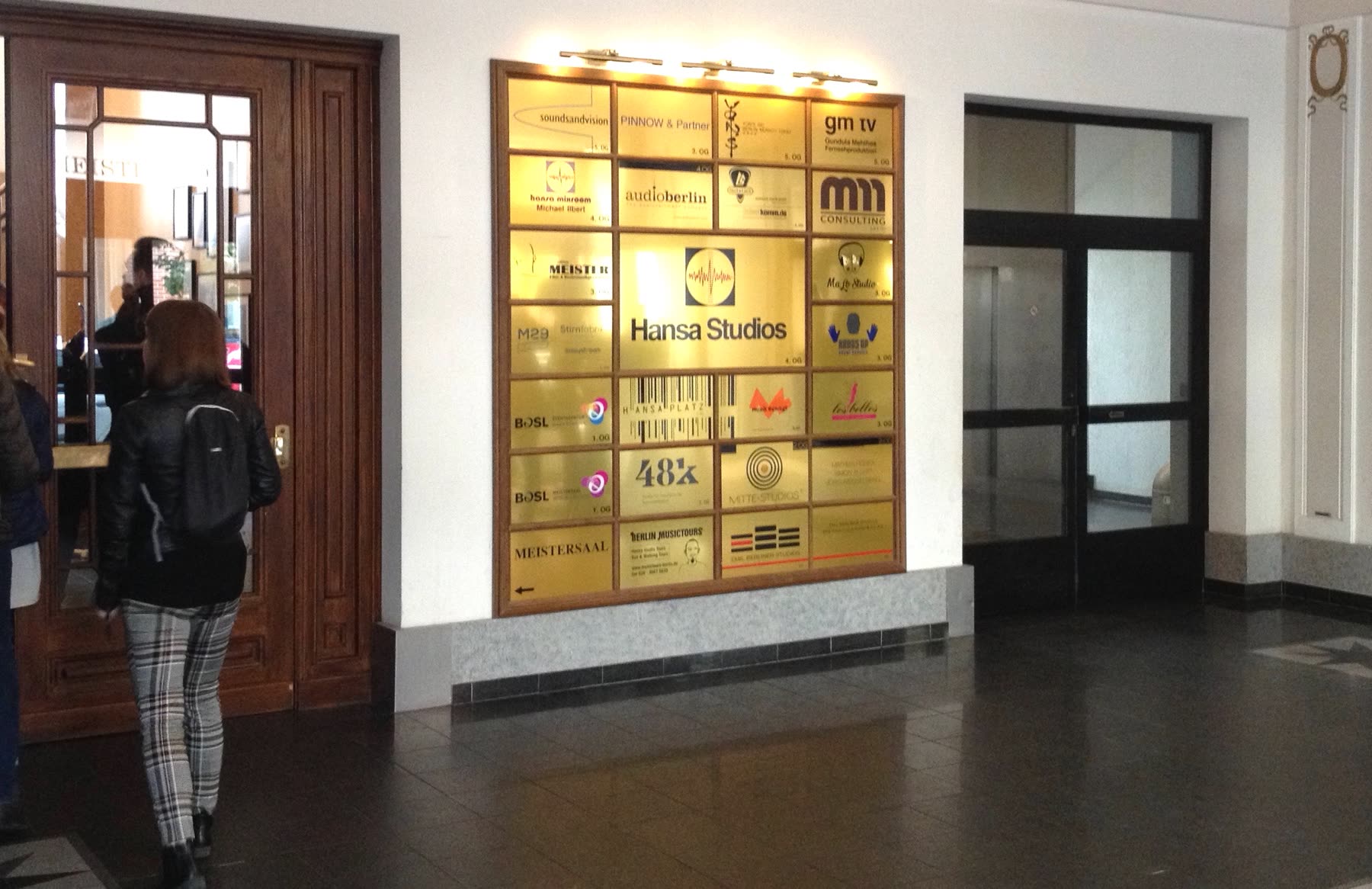 Photo: Lear 21 · CC BY-SA 4.0
Springsteen in East Berlin
On 19 July 1988 Bruce Springsteen came to East Berlin. On a site next to the cycling track in Weißensee there were, by estimates, more than three hundred thousand people, one of the biggest concerts in the history of the GDR. Halfway through, Springsteen read out a short text in German. He had come to play rock 'n' roll, he said, in the hope that one day all borders would disappear. Then he played Chimes of Freedom by Bob Dylan, a song about the bells of freedom.
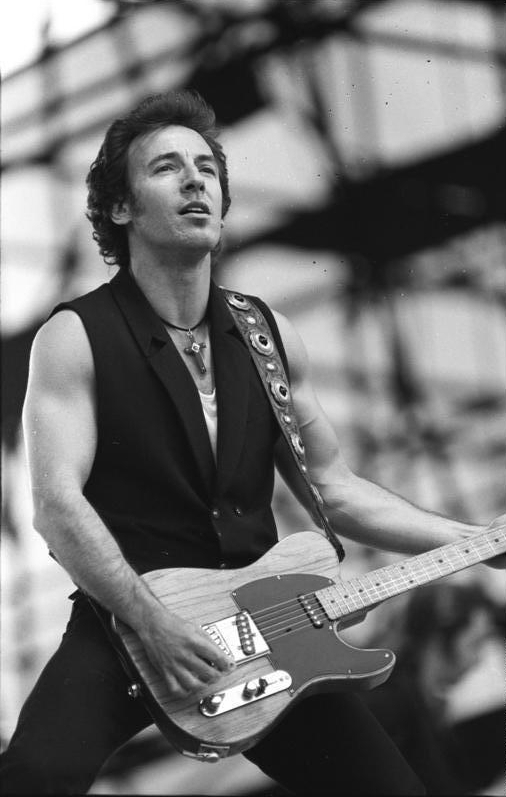 Photo: Uhlemann, Thomas · CC BY-SA 3.0 de
I'm here to play rock 'n' roll for you, in the hope that one day all barriers will be torn down.Bruce Springsteen, East Berlin, 1988
We want change
In the Soviet Union itself, rock was for a long time allowed to be heard in only a few places. One of them was the Rock Club in Leningrad, today's Saint Petersburg. In 1982 the band Kino, led by the singer Viktor Tsoi, joined it. In the summer of 1986 Tsoi sang a new song for the first time: Хочу перемен (Khochu peremen). The title means: I want change.
It was the time of , the reforms of party leader Mikhail Gorbachev. The song became the sound of those years, although Tsoi himself said it was not a protest song. In the 1987 film Assa, Kino played themselves. On 15 August 1990 Tsoi died in a car crash in Latvia. In Moscow there is still a wall full of messages and drawings for him, and his song sounded again thirty years later, during the protests in Belarus.
Photo: Hshuvaeva · Public domain