SoR Magazine #1 · Cold War · story 1 of 5
Jazz as a secret weapon
The Cold War was not only about weapons and spies. America and the Soviet Union also tried to convince people that their way of life was the best. Jazz became one of America's strongest cultural weapons.
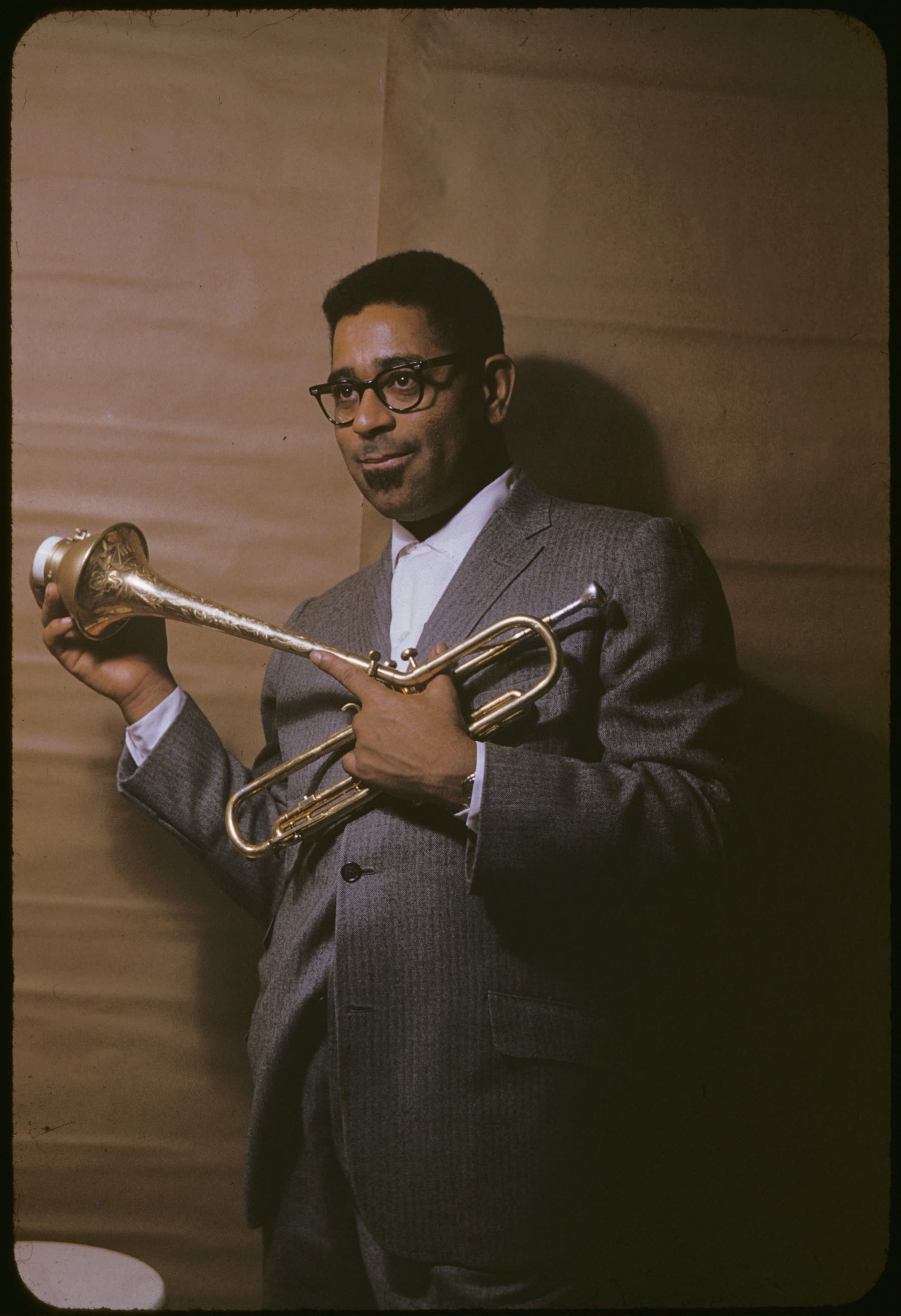 Photo: Carl Van Vechten · Public domain
A band on a world tour
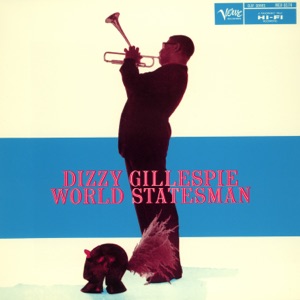
In March 1956, Dizzy Gillespie boarded a plane with an eighteen-piece big band for a ten-week trip. The bill went to the American State Department. The band, with Black and white musicians side by side and the young as musical director, played in Iran, Pakistan, Lebanon, Turkey, Yugoslavia and Greece, among other places. South America followed.
The idea came from Adam Clayton Powell, a Black congressman from Harlem. The Soviet Union liked to point the world to the way America treated its Black citizens. A mixed band playing freely and joyfully showed a different America. Jazz was music in which every musician had his own voice and still played together with the others. You could not explain democracy better.
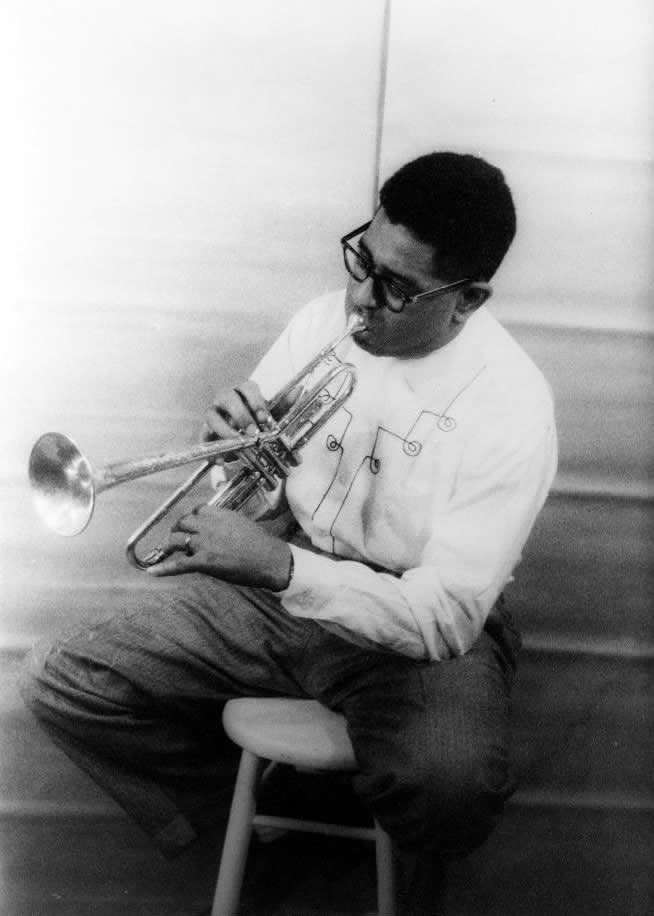 Photo: Carl Van Vechten · Public domain
A rhythm from Turkey
Two years later it was Dave Brubeck's turn. In 1958 his quartet first played in East Germany and Poland, behind the , and then travelled on to Turkey, Afghanistan, Pakistan, India, Sri Lanka, Iran and Iraq. A few weeks after Brubeck left Iraq, the king was overthrown there.
In Turkey, Brubeck heard street musicians playing in a metre of nine beats. When he asked where the rhythm came from, he was told it was to them what the blues is to Americans. Back home he turned it into Blue Rondo à la Turk, the opening track of Time Out from 1959. What he heard and saw on the trip also found its way onto Jazz Impressions of Eurasia.
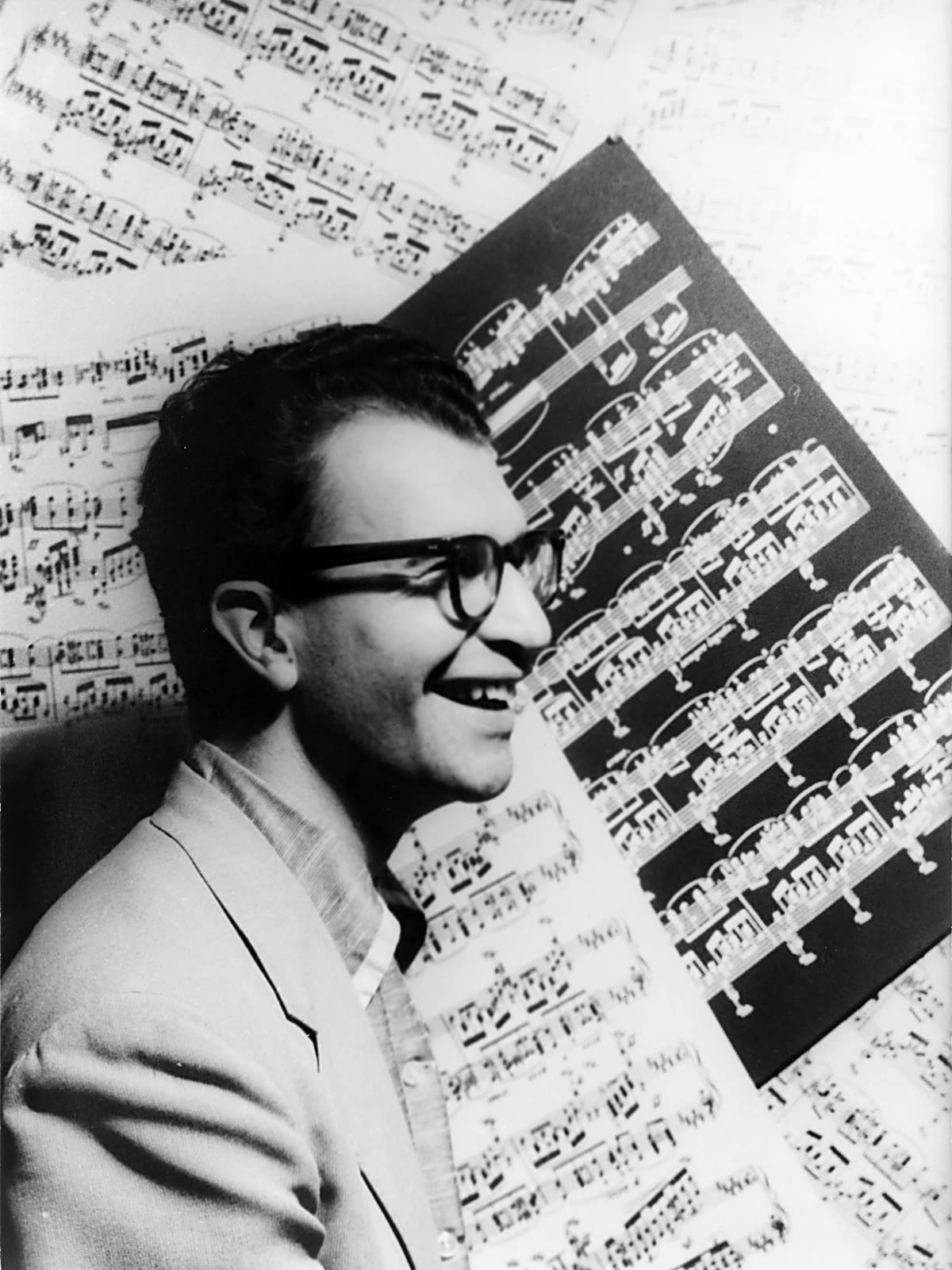 Photo: Carl Van Vechten · Public domain
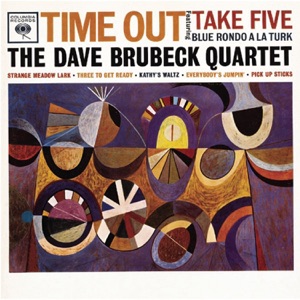
Count along: the bar has nine beats, divided as two, two, two and three. Halfway through, the band switches to an ordinary blues bar of four beats, and then back again.
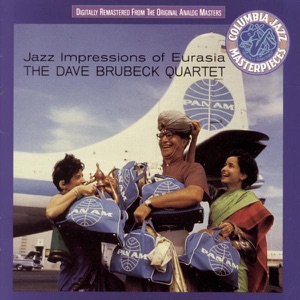
One of the pieces in which Brubeck captured his journey through Asia in music, a year before Time Out.
This rhythm is to us what the blues is to you.A Turkish street musician to Dave Brubeck
The voice of Willis Conover
If you lived behind the Iron Curtain, you usually could not see the bands play. But you could hear them. From 1955, Willis Conover presented a jazz programme every evening on the , the American government's radio station. He spoke slowly and in simple English, so that listeners in Warsaw, Prague and Moscow could follow him. For a whole generation of Eastern European jazz fans, he was their first English teacher.
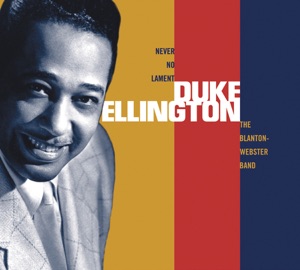
Every broadcast began and ended with Take the 'A' Train by Duke Ellington. In the Soviet Union Conover became a celebrity, and when he first came to Poland in 1959, people flocked to see him. In America itself almost nobody knew him: the Voice of America could hardly be received there.
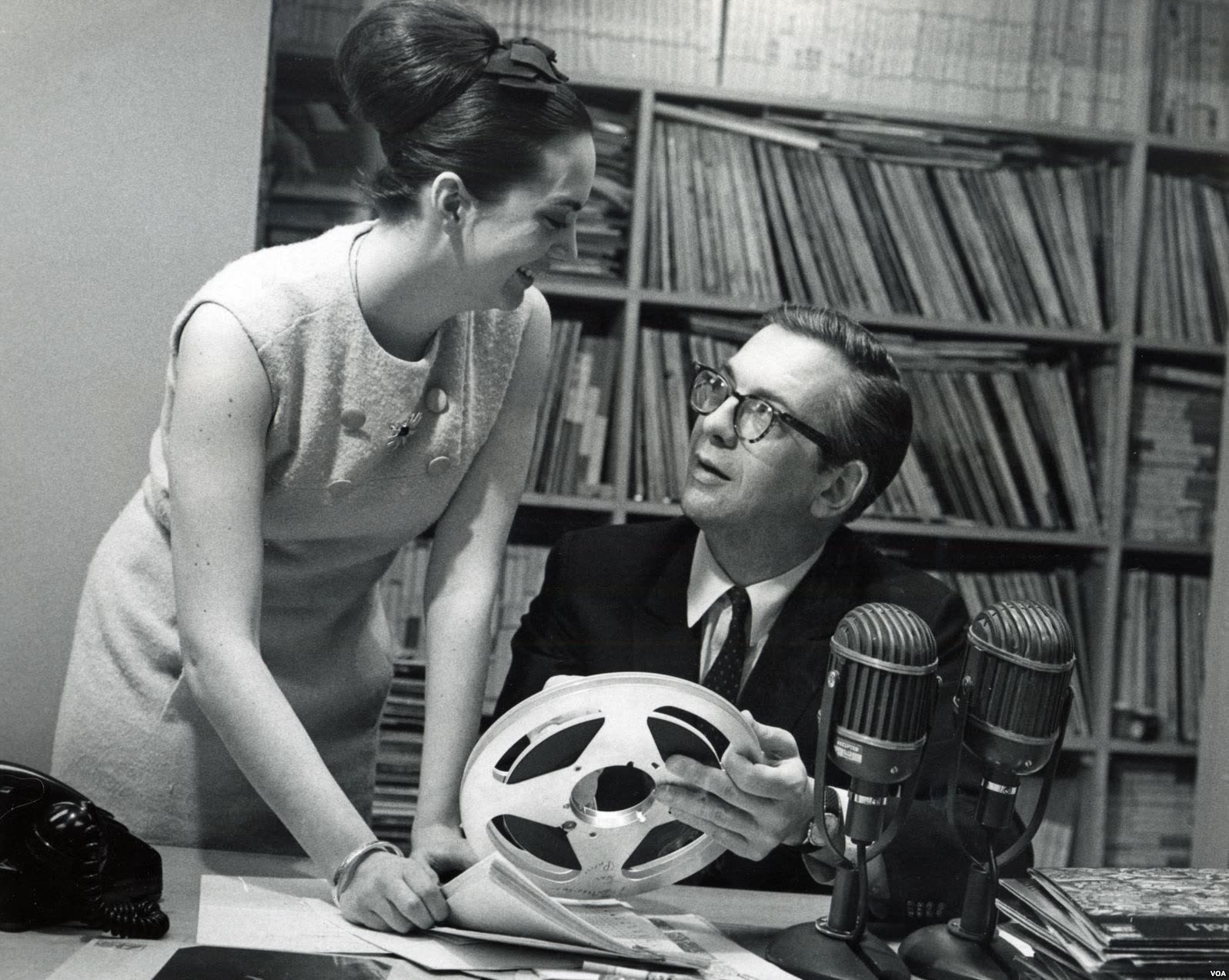 Photo: Voice of America · Public domain
Jazz on X-rays
Records of Western music were almost impossible to get in the Soviet Union. So music lovers made their own, on old X-rays from hospitals. They cut the plates round, burned a hole in the middle with a cigarette and cut grooves into them. On such a record you could see the bones of an unknown patient, which is why they were called ribs, or jazz on bones.
They carried jazz, later also Elvis and the Beatles, and songs by Russian singers who had fled abroad. The sound was poor, and after five to ten plays the record was worn out. But it cost only a rouble, and you had something the state did not want you to hear.
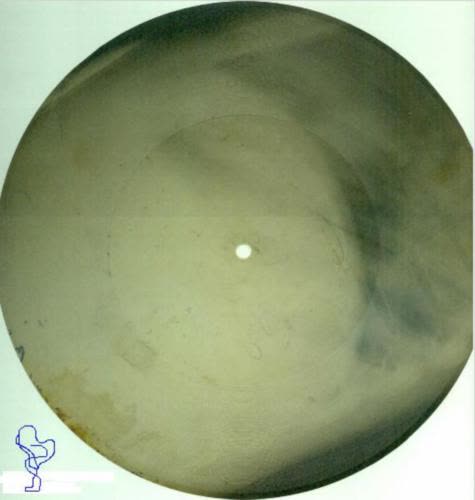 Photo: Alexander Nevzorov · Public domain
Which America?
The plan had a weak spot. In September 1957, in Little Rock, in the state of Arkansas, nine Black students were stopped by soldiers at the door of a white school. Louis Armstrong, who was being talked to about a tour of the Soviet Union, turned it down. The way they treated his people in the South, he said, the government could go to hell.
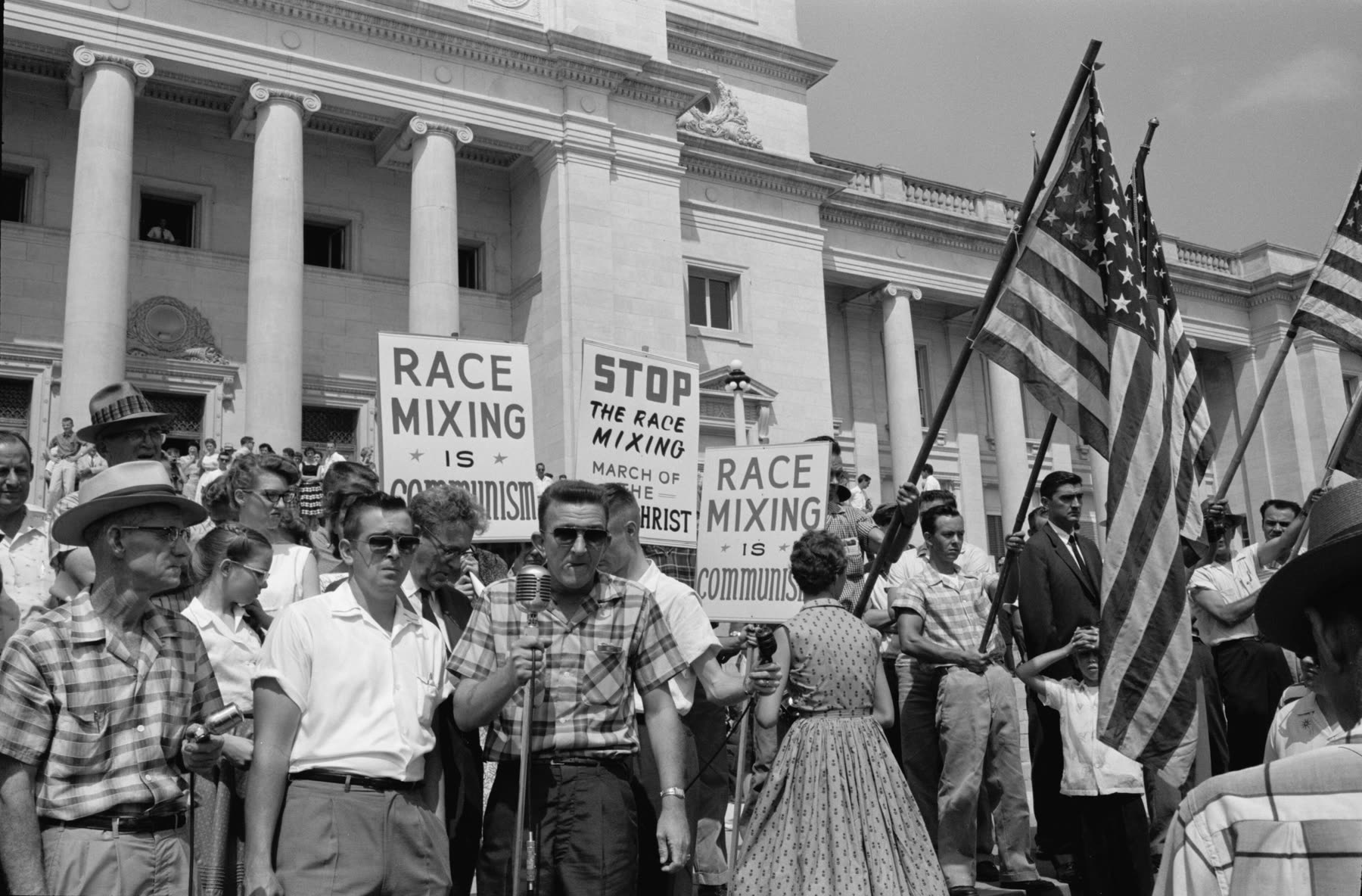 Photo: John T. Bledsoe · Public domain
The way they treat my people in the South, the government can go to hell.Louis Armstrong, September 1957
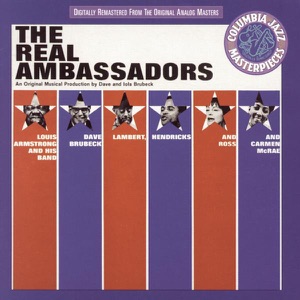
American diplomats later made clever use of this: in what other country could a celebrity talk about his government like that? Dave and Iola Brubeck wrote a musical about it, The Real Ambassadors, with Armstrong in the lead role. The question that lingers: which America does the ambassador actually represent?
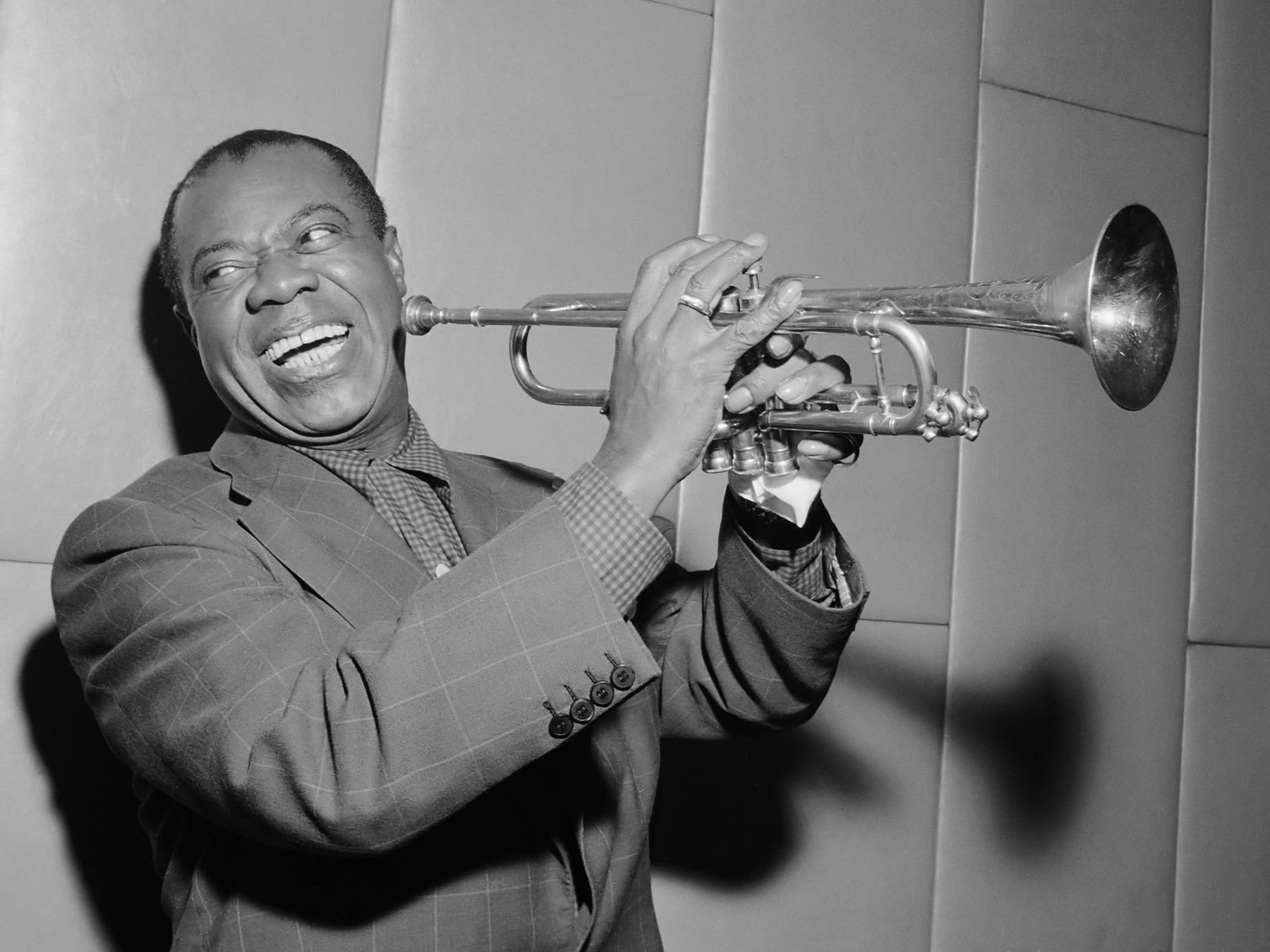 Photo: Herbert Behrens / Anefo · CC0
A tour cut short
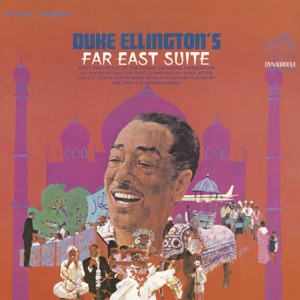
In August 1963, Duke Ellington left for Damascus with his orchestra, for a three-month tour of Syria, Afghanistan, India, Iran and Iraq, among other places. After the assassination of President Kennedy in November, the tour was cut short. Ellington and Billy Strayhorn worked what they had heard into the Far East Suite, with Isfahan, named after the city in Iran.
Ellington did not play in the Soviet Union until 1971. Jazz had turned out to be a weapon that could not be aimed. The musicians played for freedom, including their own.
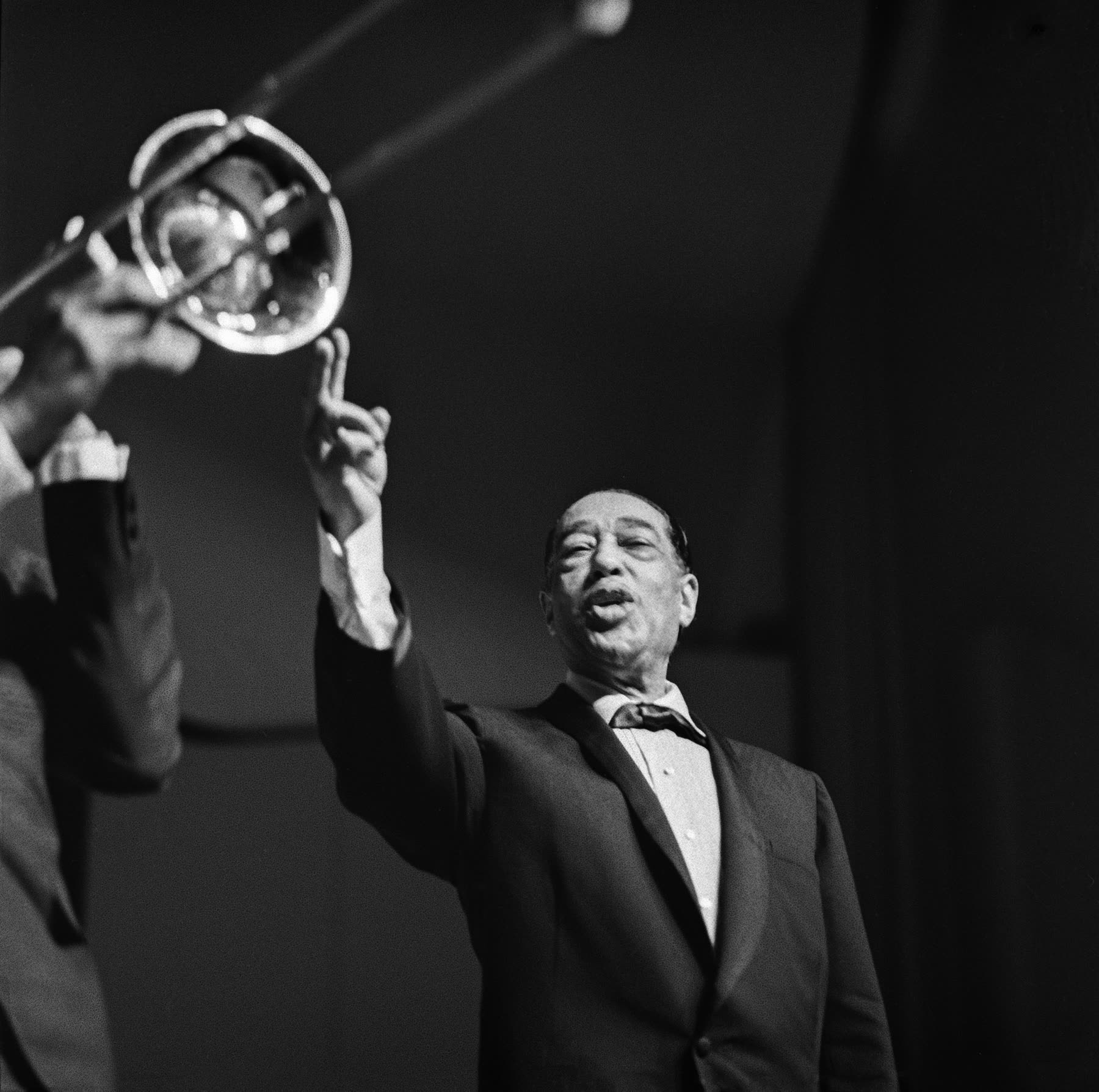 Photo: Bert Carpelan · CC BY 4.0