
2 languages
Orquesta América
From HitStory, the pop encyclopedia of School of Rock · Artist
Orquesta América is a Cuban charanga orchestra founded in Havana in 1942. Singer Ninón Mondéjar started it together with pianist Alex Sosa, the violinists Enrique Jorrín, Antonio Sánchez and Félix Reina, flautist Juan Ramos and others. A charanga is a dance orchestra with, among other things, violins and flute, and it was pre-eminently the sound of the Cuban dance halls in those years. Later Mondéjar and Sosa moved to Mexico and later still to California, where they revived the orchestra.
Music and breakthrough
The most important moment came in 1953. Then the orchestra recorded La Engañadora, a composition by Jorrín, on the Panart label. The record is regarded as the beginning of the cha-cha-chá, a dance and a style that quickly became popular. The success also led to a quarrel: Mondéjar and Jorrín wondered whether the bandleader or the composer deserved the credit for the invention. In December 1954 the orchestra broke up during a tour of Mexico. Juan Ramos returned to Havana with half of the musicians and began Orquesta América del '55 there in 1955. In the 1990s Be Mondéjar took over the leadership. He died in Havana in 2006.
Influence
Later albums included Cha cha chá, Charangas, Danzón and Sabor profundo. Orquesta América shows how the cha-cha-chá arose from the charanga tradition, and how a single recording could spread a dance style across the whole world.
Listening
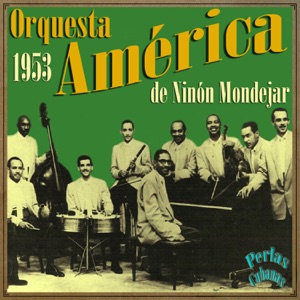 La Engañadora · Orquesta América, 1953Apple Music ↗
Discography
Studio albums
- 1972Cha cha chá, vol. II
- 1973Charangas
- 1997Danzón
- 2001Sabor profundo
- ?4 charangas vol. III
- ?Cha cha chá, vol. 3
Mentioned in other articles
- Cha-cha-chá Genre
The cha-cha-chá is a slower and easier-to-dance offshoot of the mambo, devised by the violinist Enrique Jorrín of the Orquesta América in Havana.