
2 languages
Mari Boine
From HitStory, the pop encyclopedia of School of Rock · Artist
Mari Boine is a Norwegian Sámi singer, born in 1956 in Gámehisnjárga, a village in Karasjok in the Norwegian county of Finnmark. Her parents were Sámi and made their living from salmon fishing and farming. She grew up in the strict Laestadian church community, where the traditional singing style joik was considered the work of the devil, and at a school where everything was taught in Norwegian. As a young woman she rebelled against the way the Sámi were portrayed in Norway.
Music and breakthrough
Her first records appeared in the 1980s. Her breakthrough was Gula Gula, released in 1989 on her own label Iđut and reissued in 1990 on Peter Gabriel's label RealWorld. Goaskinviellja (1993) and Leahkastin (1994) followed. In 2017 she released See the Woman, her first English-language album. In 1994 Boine refused to perform at the Winter Olympics in Lillehammer, because she saw the invitation as an attempt to display a symbolic minority. In 2008 she became a professor of musicology at Nesna University College.
Influence
She sings in North Sámi in a personal adaptation of the joik, accompanied by a mix of percussion and instruments from all kinds of traditions and sometimes rock. Her lyrics deal with discrimination and the beauty of the north, and call for respect for the earth as mother. In this way she became a cultural ambassador of the Sámi.
Listening
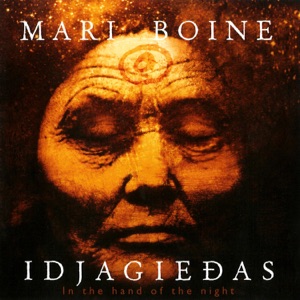 Vuoi Vuoi Mu · Mari Boine, 2006
Discography
Studio albums
- 1985Jaskatvuođa Maŋŋá (Etter Stillheten)
- 1986Min máilmmis
- 1989Gula Gula: Hør stammødrenes stemme
- 1991Salmer på veien hjem
- 1993Goaskinviellja
- 1994Leahkastin
- 1996Radiant Warmth
- 2001Winter In Moscow
- 2002Eight Seasons (Gávcci Jahkejuogu)
- 2006Idjagieđas - In the Hand of the Night
- 2009Čuovgga Áirras (Sterna Paradisea)
- 2017See the Woman
- 2023Amame
- 2024Alva