
2 languages
Giuseppe Verdi
From HitStory, the pop encyclopedia of School of Rock · Artist
Giuseppe Verdi came from a village near Busseto and made his breakthrough in 1842 at La Scala in Milan with Nabucco, whose chorus of the slaves, Va, pensiero, later became a symbol of Italian unification. He always sought out the strongest dramatic situation and wrote melodies that stick in the mind at once. In Rigoletto (1851) the Duke sings the carefree La donna è mobile while the audience already knows how badly it will end. His operas are still at the core of the repertoire.
Listening
Listening tip. Listen to La donna è mobile and hear how the orchestra plays the tune in advance, so simple that you can sing along after hearing it once.
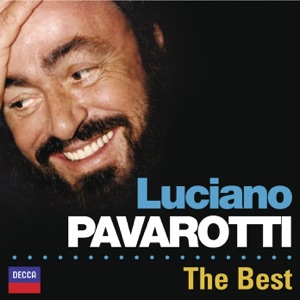 Rigoletto: La donna è mobile (Luciano Pavarotti, Richard Bonynge) · Giuseppe Verdi, 1851
 Nabucco: Va, pensiero (Wiener Staatsoper, Lamberto Gardelli) · Giuseppe Verdi, 1842
 Messa da Requiem: Dies irae (Teatro alla Scala, Claudio Abbado) · Giuseppe Verdi, 1874
 Rigoletto: La donna è mobile (Luciano Pavarotti) · Giuseppe Verdi, 1851
In School of Rock
The chapters, maps and magazine stories of School of Rock are currently available in Dutch only.
- The Dream Factory: Film Reel 3NL Reader
Mentioned in other articles
- Bel canto and Italian opera Genre
Giuseppe Verdi made opera more dramatic; La donna è mobile from Rigoletto was being sung in the street the morning after the premiere.
See also
Categories: ArtistsBel canto and Italian opera