
2 languages
Franz Lehár
From HitStory, the pop encyclopedia of School of Rock · Artist
Franz Lehár was an Austro-Hungarian composer, born on 30 April 1870 in Komárom, now Komárno in Slovakia, and died on 24 October 1948. His father was a bandmaster in an army regiment, and his mother came from a Hungarian family of German descent. Franz studied violin at the Prague Conservatory. Antonín Dvořák advised him to concentrate on composition. He wrote sonatas, symphonic poems and marches, but became famous mainly for his operettas.
Music and breakthrough
The best-known and most successful work is Die lustige Witwe from 1905, which in English is called The Merry Widow. He also wrote Der Graf von Luxemburg, Zigeunerliebe from 1910, Das Land des Lächelns, Der Zarewitsch and Giuditta, among others. He also composed waltzes, of which Gold und Silber is the most popular. The tenor Richard Tauber sang in many of his operettas, from a revival of Zigeunerliebe in 1920 and in Frasquita in 1922.
Influence
Lehár wrote melodic, elegant music for orchestra and singers, full of waltz rhythms and songs that stay in the mind. The Vilja-Lied from Die lustige Witwe is a well-known example. With his operettas he took the light theatre of Vienna out into the world and wrote pieces that are still performed today. He belongs to the roots of popular music in the theatre, where the song is central.
Listening
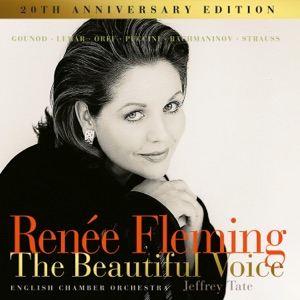 Die lustige Witwe: Vilja-Lied (Renée Fleming) · Franz Lehár, 1905
Discography
Studio albums
- 1952The Merry Widow (soundtrack)
- 1966Die lustige Witwe
- 1968Das Land des Lächelns
- 1978The Merry Widow - Highlights
- 1983Willi Boskovsky Conducts Lehár Waltzes
- 1985The Count of Luxembourg
- 1985The Count of Luxembourg: Highlights in English
- 1987Die lustige Witwe (Großer Querschnitt)
- 1987Gold & Silver
- 1988Das Land des Lächelns
- 1988Der Zarewitsch
- 1988Die lustige Witwe
- 1988The Merry Widow (Highlights)
- 1989Die lustige Witwe
- 1991The Merry Widow: Highlights
- 1992Die lustige Witwe / Suppé: Ouvertüren
- 1993Grosse Komponisten und ihre Musik 65: Johann Strauss - Die Fledermaus / Franz Lehár: Die lustige Witwe
- 1993La Belle Époque
- 1993Le Pays du sourire (Extraits)
- 1994Der Graf von Luxemburg
- 1994Die lustige Witwe
- 1994Giuditta
- 1994The Merry Widow
- 1995Paganini. Operette in 3 Akten
- 1996The Czarevitch (Sung in English)
- 1996The Land of Smiles
- 1997Das Land des Lächelns
- 1997Favorites from the Classics: The Waltz Kings: Strauss, Kreisler & Lehár
- 1997Giuditta (Sung in English)
- 1997Im Herzen der Klassik 50: Johann Strauß - Die Fledermaus / Franz Lehár - Die lustige Witwe
- 1997Paganini
- 1997Symphonic Works
- 1998Die lustige Witwe (Highlights)
- 1998Die lustige Witwe: Highlights
- 1999A Tribute to Operetta
- 1999Das Land des Lächelns / Der Zarewitsch / Paganini
- 2000Die lustige Witwe
- 2000Paganini
- 2000Piano Sonatas
- 2001Das Land des Lächelns / Die lustige Witwe
- 2001Fata Morgana: Suites / Dances / Intermezzi
- 2001Marilyn Hill Smith sings Franz Lehár and Emmerich Kálmán
- 2002Lehár Conducts Lehár: Waltzes and Overtures
- 2002Tatjana
- 2005Die lustige Witwe
- 2005The Merry Widow
- 2005Zigeunerliebe
- 2007Die blaue Mazur
- 2008Das Land des Lächelns
- 2008Lehar: Die lustige Witwe & Strauss: Waltzes
- 2010Salon de Vienne
- 2011The Merry Widow: The Original Soundtrack Recording (soundtrack)
- 2014Giuditta (Höhepunkte)
- 2020Friederike
- 2021Verklärte Nacht
- 2023Wiener Frauen
- 2025Violin Concertos
- ?Das Land des Lächelns
- ?Der Graf von Luxemburg
- ?Der Graf von Luxemburg
- ?Die Lustige Witwe - Querschnitt
- ?La Veuve joyeuse (extraits)
- ?Paganini (Highlights)
In School of Rock
The chapters, maps and magazine stories of School of Rock are currently available in Dutch only.
- The Dream Factory: Film Reel 1NL Reader
Mentioned in other articles
- Operetta and the waltz Genre
In Vienna the waltz king Johann Strauss II wrote Die Fledermaus in 1874, and in 1905 Franz Lehár made a worldwide success with Die lustige Witwe.