
2 languages
Bedřich Smetana
From HitStory, the pop encyclopedia of School of Rock · Artist
Bedřich Smetana was born on 2 March 1824 in Litomyšl, in Bohemia, which at that time belonged to the Habsburg Empire. He first performed in public as a pianist at the age of six and later received lessons in Prague from Josef Proksch. In 1848 he briefly took part in the uprising in Prague and wrote his first nationalist music. He then left for Sweden, where he was a teacher and choral conductor in Gothenburg. In the early 1860s he returned to Prague for good, where the political climate had become freer.
Music and breakthrough
In Prague he became the champion of Czech opera. In 1866 his opera The Bartered Bride had its premiere, and it soon became very popular, and in the same year he became principal conductor of the Provisional Theatre. His admiration for Liszt and Wagner brought him much opposition. By 1874 he had become completely deaf, but it was precisely then that a long period of fruitful composing began. The best-known result is the cycle Má vlast, my homeland, a series of symphonic poems about the history, legends and landscape of Bohemia. It contains Vltava, called Die Moldau in German, a musical portrait of the river.
Influence
Smetana is regarded in the Czech Republic as the father of Czech music. He showed that a national style could grow out of one's own landscape and one's own stories, an idea that later recurs in popular music too. Outside his homeland it is mainly The Bartered Bride and Vltava that are regularly heard; many foreign experts rank Dvořák higher. He died in 1884 in Prague.
Listening
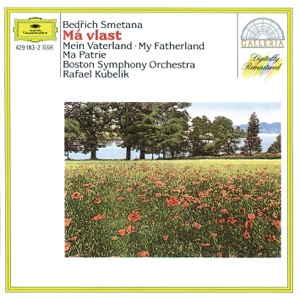 Má vlast: Vltava (Boston Symphony Orchestra, Rafael Kubelík) · Bedřich Smetana, 1874
Discography
Studio albums
- 1961Die Moldau / Aus Böhmens Hain und Flur
- 1961Liszt: Les Préludes / Smetana: The Moldau / Moussorgsky: Night on Bald Mountain / Sibelius: Valse triste
- 1961Rhapsodies: Liszt, Enescu, Wagner, Smetana
- 1963Die verkaufte Braut - Großer Querschnitt
- 1964Má Vlast
- 1968Liszt: Les Preludes Ungarische Rhapsodie Nr.2 Smetana: Vysehrad Die Moldau
- 1973Mein Vaterland
- 1975Má Vlast
- 1978Die Moldau: Vyšehrad / Vltava / Aus Böhmens Hain und Flur / Tábor
- 1978The Bartered Bride (sung in German)
- 1979Mein Vaterland
- 1982Smetana / Janáček / Wolf: Streichquartette / Bruckner: Streichquintett
- 1982Works for Violin and Piano
- 1984Má Vlast
- 1984Zauber der Musik
- 1985Dvorak: From the New World / Smetana: Moldau
- 1985Dvorak: Sonatina / 4 Romantische Stucke / Smetana: Aus der Heimat
- 1985Dvořák: Symphonie no. 9 / Smetana: Moldau
- 1985Ma Vlast / Die Verkaufte Braut
- 1985My Country
- 1985Smetana: Die Moldau / Dvorak: Slawische Tänze / Tchaikovsky: Dornröschen / Tchaikovsky: Romeo und Julia
- 1986Dvorák: Piano Trio no. 4 in E minor, op. 90 "Dumky" / Smetana: Piano Trio in G minor
- 1986Dvořák: String Quartet, op. 96 “American” / Smetana: String Quartet no. 1 “From My Life”
- 1986The Bartered Bride Overture and Dances / From My Life (orchestral version by George Szell)
- 1987Dvořák: Symphonie no. 9 / Smetana: Die Moldau
- 1987Má vlast
- 1987Má Vlast / The Bartered Bride: Overture and Dances
- 1987Slavonic Festival
- 1987Symphony no. 9 "From the New World" / Smetana: The Moldau
- 1987Symphony no. 9 "New World" / Carnival Overture / Slavonic Dances, op. 46, nos. 1 & 8 / Smetana: The Moldau
- 1987The Moldau
- 1988Borodin: Polowetzer Tänze · Brahms: 8 Ungarische Tänze · Tschaikowsky: Polonaise und Walzer aus »Eugen Onegin« · Smetana: Tänze aus »Die verkaufte Braut«
- 1988Dvořák / Smetana
- 1988Dvorak: Symphonie No. 9 »Aus der neuen Welt« / Smetana: Die Moldau / Liszt: Les Préludes
- 1988Dvořák: Symphony no. 9 in E minor op. 95 “From the New World” / Carnival Overture, op. 92 / Smetana: “Moldau”
- 1988Klaviertrios g-Moll
- 1988String Quartets
- 1989Borodin: Quartet No. 2 / Smetana: Quartet No. 1 "From My Life"
- 1989Má vlast
- 1989Má vlast
- 1989Mein Vaterland
- 1990Janacek - Weinberger - Smetana
- 1990Má vlast
- 1990String Quartets
- 1990The Complete Czech Dances
- 1991Die verkaufte Braut
- 1991Dvořák: Cello Concerto in B minor, op. 104 / Smetana: The Moldau (Vltava)
- 1991Má Vlast
- 1991My Country
- 1991Opera Arias & Duets
- 1991Smetana: The Two String Quartets / Dvořák: Romance, Op. 9 / Two Waltzes, Op. 54
- 1991String Quartets no. 1 “From My Life” & no. 2 / “From My Homeland”
- 1992Má vlast
- 1992Má vlast
- 1992Má Vlast
- 1992Mein Vaterland
- 1992Offenbach: Gaîté Parisienne / Rachmaninov: Symphonic Dances / Smetana: Three Dances from "The Bartered Bride"
- 1992String Quartets: "From My Life" / "American"
- 1993Dances
- 1993Fibich: Symphony no. 1 in F major / Smetana: Vyšehrad & Vltava from “Má vlast”
- 1993From My Life
- 1993Prokofjev: Pekka ja susi / Smetana: Moldau
- 1993Smetana: Richard III / Hakon Jarl / Prager Karneval / Wallensteins Lager / Janáček: Sinfonietta
- 1994Antonín Dvořák: Symphony No. 9 / Bedřich Smetana: Vltava
- 1994Arensky: Klaviertrio d-Moll / Smetana: Klaviertrio g-Moll
- 1994Borodin: Polowetzer Tänze / Dvořák: Slawische Tänze / Smetana: Tänze aus »Die verkaufte Braut« / Tschaikowsky: Polonaise & Walzer aus »Eugen Onegin«
- 1994Die Brandenburger in Böhmen
- 1994Má Vlast
- 1994Má Vlast
- 1994Má Vlast (My Country)
- 1994Má vlast (My Fatherland)
- 1994Mendelssohn: Piano Trio in D minor, op. 49 / Smetana: Piano Trio in G minor, op. 15
- 1994Smetana: “Moldau” / Dvořák: Serenade op. 22 / Tscheshische Suite op. 39
- 1994Tajemství / Viola (excerpt) (Prague National Theatre)
- 1994The Bartered Bride (Chorus & Orchestra of the Prague National Theatre feat. conductor: Zdeněk Chalabala)
- 1994The Moldau
- 1995Carnegie Hall Project
- 1995Czech Dances
- 1995Dvořák: American Quartet / Smetana: From My Life
- 1995Dvořák: Moravian Duets, op. 32 / Suk: Ten Songs / Smetana: Three Choruses / Eben: About Swallows and Girls
- 1995Klaviertrios
- 1995Má vlast
- 1995Má vlast
- 1995Music of Bedrich Smetana
- 1995My Country
- 1995Quatuors à cordes 1 & 2
- 1995Smetana: The Moldau / Liszt: Les Preludes / Sibelius: Finlandia, Pelleas et Melisande
- 1995Strauss: Waltzes & Overtures / Brahms: Hungarian Dances / Smetana: The Moldau
- 1995String Quartets
- 1995String Quartets No. 1" From My Life" & No. 2 (Smetana Quartet) [Box Set disc 1]
- 1995Walton: Crown Imperial / Grainger: Molly on the Shore / Smetana: Vlatava / Borodin: Polovtsian Dances / Arnold: Concerto for Harmonica
- 1996Dalibor
- 1996Die Verkaufte Braut
- 1996Má Vlast
- 1996Má Vlast: Cycle of 6 Symphonic Poems
- 1996Ravel / Shostakovich / Janáček / Smetana / Britten
- 1996Streichquartette
- 1997Die Moldau
- 1997Dvořák: Quartet in F major, 'American' / Smetana: Quartet in E minor 'From My Life'
- 1997Má Vlast
- 1997Má Vlast (My Country)
- 1997Mein Vaterland -- My Country
- 1998Klavírní skladby pro 8 nebo 16 rukou
- 1998Ma Vlast
- 1998Piano Works
- 1998Smetana: Piano Trio, op. 15 / Suk: Piano Trio, op. 2 / Novák: Piano Trio, op. 27
- 1999Piano Trios
- 1999Polkas
- 1999Smetana: Die Moldau / Vyšehrad / Dvořák: Scherzo capriccioso / Liszt: Les Préludes / Ungarische Rhapsodie Nr. 4
- 1999String Quartets Nos. 1 'From My Life' And 2
- 2000Die Moldau
- 2000Dvořák: New World Symphony / American Suite / Smetana: The Moldau
- 2000Má vlast
- 2000Piano Trio in G minor / Piano Trio 'Dumky'
- 2000Smetana: Ma Vlast
- 2000Symphonic Organ Music 2
- 2001Dvořák: String Quartet no. 12 “American” / Janáček: String Quartet no. 1 “Kreutzer” / Smetana: String Quartet no. 1 “From my Life”
- 2001Smetana: Bartered Bride (The) (Prague National Opera) (1933)
- 2002Beethoven and Smetana
- 2002Dvořák: String Sextet in A major / Smetana: Piano Trio in G minor
- 2002Sonates pour violon et piano
- 2003Czech Masters: Complete String Quartets
- 2003Má Vlast
- 2003String Quartets
- 2003The Bartered Bride
- 2004Beethoven: String Quartet in F major, op. 18 no. 1 / Mozart: String Quartet in D major, K. 499 / Smetana: String Quartet in E minor “From My Life”
- 2004Chamber Music (Bohemian and Hungarian)
- 2004Romantic Pieces
- 2004Sinfonie Nr. 6 "Pathétique" / Mein Vaterland
- 2004Tchaikovsky: 1812 Overture / Liszt: Mephisto Waltz / Dvořák: Carnival Overture / Weinberger: Polka and Fugue from Schwanda / Smetana: The Bartered Bride Overture
- 2005BBC Music, Volume 14, Number 2: Smetana: Ma Vlast / Dvořák: The Noonday Witch / The Wood Dove
- 2005Czech Piano Trios
- 2005Dvořák: Piano Trio no. 2 in G minor, op. 26 / Suk: Elegie, op. 23 / Smetana: Piano Trio in G minor, op. 15
- 2005Má Vlast
- 2005Piano Trios
- 2005Piano Works I
- 2005Smetana / Tchaikovsky / Janáček
- 2005The Bartered Bride
- 2006Bohemian Rhapsody
- 2006Mein Vaterland / Má Vlast
- 2006My Country
- 2006Piano Works II
- 2007Complete Orchestral Works
- 2007Dreams
- 2007Orchestral Works
- 2007Orchestral Works, Vol. 1
- 2007Piano Works III
- 2007Smetana / Blodek / Kovařovic / Janáček / Dvořák / Suk
- 2007Smetana: String Quartet No. 2 - Dvořák: String Quartet No. 13, Two Waltzes
- 2007Symphonic Poems "Má vlast"
- 2008Mussorgsky: Pictures at an Exhibition / Schubert: Three Pieces, D. 946 / Martinů: Fantaisie et Toccata / Chopin / Smetana
- 2008Smetana: Piano Trio, op. 15 / Tschaikowsky: Piano Trio, op. 50
- 2009Orchestral Works, Vol. 2
- 2009Piano Trios
- 2009Piano Works IV
- 2009Smetana: String Quartet No. 1 'From My Life' / Sibelius: String Quartet Op. 56 'Voces Intimae' / Andante Festivo
- 2009Tchaikovsky / Smetana / Grieg
- 2010Má Vlast
- 2010Má Vlast
- 2010Má Vlast
- 2010Má Vlast / My Country
- 2010Piano Trios
- 2010String Quartets 1, 2 / Meditation on St. Wenceslas / Quartet no. 1 / Kreutzer Sonata
- 2010Two String Quartets
- 2011Má Vlast
- 2011Piano Trios
- 2011Piano Works V
- 2011Smetana, Janáček: String Quartets
- 2011Smetana: String Quartets nos 1 & 2 / Sibelius: Voces intimae, op. 56
- 2012Dvořák: Quartet no. 12, op. 96, "American" / Smetana: Quartet no. 1, "From My Life"
- 2012The Bartered Bride
- 2013Piano Trios
- 2013Piano Trios
- 2013Piano Works VI
- 2013String Quartets
- 2013Wagner and Smetana
- 2014Dvořák / Smetana / Suk
- 2014Janáček: String Quartets nos. 1 & 2 / Smetana: String Quartet no. 1 "From My Life"
- 2014Piano Works VII
- 2015Piano Trios
- 2015String Quartet no. 1 in E minor “From My Life” / String Quartet no. 2 in D minor
- 2015String Quartets
- 2016Czech dances
- 2016Czech Dances / On the Seashore
- 2016Rêves (Dreams)
- 2016Sketches, Op. 4
- 2017Má Vlast
- 2018Festive Symphony / The Bartered Bride (Overture and Dances)
- 2018Má vlast
- 2018PianOrchestra 2
- 2018String Quartets
- 2019Swedish Symphonic Poems
- 2020Die Klaviertrios
- 2021Antonín Dvorák: Symphony No. 9 "From The New World" - Bedřich Smetana: Vltava (Moldau) (Piano Duet Versions)
- 2022Piano Trios
- 2022Smetana: String Quartet no. 1 in E minor / Dvořák: String Quartet no. 12 in F major, op. 96 / Two Waltzes, op. 54
- 2023E.T.A. spielt Werke von Haydn, Pawollek und Smetana
- 2023Overtures
- 2023Slavic Rhapsody
- 2023Things Lived and Dreamt
- 2024Dalibor
- 2024Grieg / Smetana
- 2024Ma Vlast
- 2024Ma Vlast / Symphonic Works
- 2024Piano Trios
- 2024Rooted
- 2024Symphonies nos. 6-9 (remastered)
- 2024The Devil´s Wall
- 2024The Kiss, JB 1:104
- 2024The Secret and Viola (fragment)
- 2024The Two Widows, JB 1:108
- 2025Dumky
- 2025String Quartets
- 2025Transcription as Tranlsation: Smetana · Beethoven
- 2026The Two Widows
- ?Borodin: String Quartet no. 2 / Smetana: String Quartet no. 1
- ?Die Moldau
- ?Die verkaufte Braut
- ?Dvořák: Piano Trio in E minor, op. 90 “Dumky” / Smetana: Piano Trio in G minor, op. 15
- ?Dvořák: Symphony no. 8 / Smetana: Vltava / From Bohemia’s Woods and Fields
- ?Dvořák: Symphony no. 9 “New World” / Smetana: Moldau
- ?Dvořák:Cello Concerto / Silent Woods / Rondo / Smetana: Bartered Bride Overture
- ?Famous Opera Choruses
- ?From the cycle "My Country"
- ?Grieg, Brahms, Dvorak, Smetana
- ?Kodaly / Smetana / Dvorak
- ?Ma Patrie en 2 disques
- ?Má vlast
- ?Má vlast (My Country)
- ?Mein Vaterland
- ?Moldau / The Bartered Bride / Slavonic Dances Opus 46, Nos. 1, 2, 3, & 8
- ?Sinfonische Dichtung „Die Moldau“
- ?String Quartets nos. 1 & 2
Mentioned in other articles
- Nationalist schools Genre
In Vltava (1874), Bedřich Smetana painted the river through Bohemia, and Edvard Grieg wrote music for Ibsen's play Peer Gynt.