
2 languages
Orquesta Aragón
From HitStory, the pop encyclopedia of School of Rock · Artist
Orquesta Aragón is a Cuban band that was founded on 30 September 1939 by Orestes Aragón Cantero in Cienfuegos. At first it was called Ritmica 39, then Ritmica Aragón. In the beginning the orchestra consisted of eight musicians: double bass, two violins, piano, flute, timbales, güiro and vocals. When Aragón fell ill in 1949, Rafael Lay Apesteguía took over the leadership. Around 1953 he put the orchestra together according to his own ideas, and flautist Richard Egües, who joined in 1955, became an important arranger and composer, alongside Lay.
Music and breakthrough
Orquesta Aragón did not invent the cha-cha-cha, but in the 1950s and 1960s it was regarded as the best charanga in Cuba. Its trademarks were excellent instrumentalists who played tightly together and rhythmic innovations that kept the sound up to date. The orchestra began as a danzón orchestra and then played cha-cha-cha, onda-cha, pachanga and hybrids with son. Between 1955 and 1958 four LPs appeared on RCA, including That Cuban Cha-Cha-Cha and The Heart of Havana. The onda-cha was an invention of cellist Alejandro Tómas Valdés, who worked capoeira into the dance and let heavy African percussion sound in the cha-cha-cha.
Influence
After Lay's death in 1982 Egües became leader, and from 1984 Rafael Lay Bravo. The orchestra still plays in Havana. In School of Rock, El Bodeguero from 1955 is the example of this style. In it we see how Cuban dance music from the halls of Havana travelled out into the world.
Listening
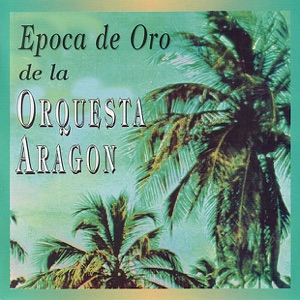 El Bodeguero · Orquesta Aragón, 1955Apple Music ↗
Discography
Studio albums
- 1956That Cuban Cha-Cha-Cha
- 1957The Heart of Havana
- 1959Cójale el gusto a Cuba
- 1960Charangas y Pachangas
- 1970Orquesta Aragón
- 1976Aragón
- 1981Aragón
- 1997¡Cha cha charanga!
- 1998Baila Carola
- 1998Los Aragones de la onda de la alegría, vol. 2
- 1998Quien sabe sabe
- 1999Cuban Originals
- 1999La charanga eterna
- 2001Comin’ at U!
- 2001En route
- 2003Heart of Havana, Volume 2
- 2003Maracas, bongó y conga
- 2005The History Continues...
- 2009Cuba en vivo
- 2021Cha cha chá: Homenaje a lo tradicional
- 2024Orquesta Aragón
- ?Aragón
- ?Danzones de ayer y de hoy
- ?Heart of Havana, Volume 1
- ?Los aragones en la onda de la alegría
- ?Orquesta Aragón
- ?Últimos éxitos de Aragón