
2 languages
Jean-Philippe Rameau
From HitStory, the pop encyclopedia of School of Rock · Artist
Jean-Philippe Rameau was a provincial organist before he made his name in 1722 with his Traité de l'harmonie. In it he described chords as stacks of thirds above a root, an idea on which the theory of harmony still rests. Only around the age of fifty did he write his first opera, Hippolyte et Aricie, and with it he gave the French opera of Lully a richer sound. His Les Sauvages arose after a performance by two dancing Native Americans in Paris.
Listening
Listening tip. Listen to Les Sauvages and hear how the stamping, constantly recurring dance melody swells until the chorus joins in.
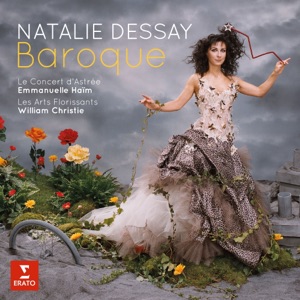 Les Indes galantes: Les Sauvages (Le Concert d'Astrée, Emmanuelle Haïm) · Jean-Philippe Rameau, 1736
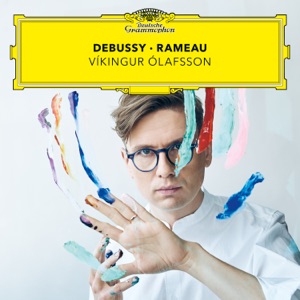 Nouvelles suites de pièces de clavecin: La poule (Víkingur Ólafsson) · Jean-Philippe Rameau, 1728
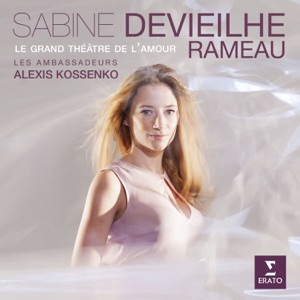 Castor et Pollux: Tristes apprêts (Sabine Devieilhe, Les Ambassadeurs) · Jean-Philippe Rameau, 1737
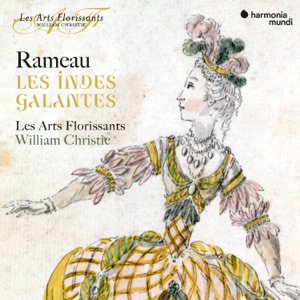 Les Indes galantes: Danse du grand calumet de la paix (Les Arts Florissants) · Jean-Philippe Rameau, 1736
Mentioned in other articles
- French Baroque Genre
François Couperin refined harpsichord playing with small character pieces, and in Les Indes galantes (1735) Jean-Philippe Rameau put daring harmonies on the stage.
See also
Categories: ArtistsFrench Baroque