
2 languages
Gesang
From HitStory, the pop encyclopedia of School of Rock · Artist
Gesang Martohartono was a Javanese singer and songwriter from Surakarta, also called Solo, in Central Java. He was born on 1 October 1917 and died on 20 May 2010. His father had a batik business that went bankrupt when Gesang was a teenager, after which the family fell into poverty. He was self-taught and could not read music. To support his family he wrote songs and sang at local celebrations.
Music and breakthrough
In 1940, shortly before the Japanese occupation of the Dutch East Indies, the twenty-three-year-old composed, with the help of a flute, a melody in kroncong, an urban musical form of the region that combined Javanese chord patterns with Western-sounding singing. For the lyrics he was inspired by the Bengawan Solo, the longest and most important river of Java, which for him symbolised the endurance of Javanese culture. Bengawan Solo became popular among the Javanese and became known nationwide through the radio. Japanese soldiers, too, grew fond of the song during the occupation.
Influence
When the soldiers returned home after the war, they took the song with them to Japan. In the dark time after the defeat it matched the mood of the public, and best-selling recordings made it known across the country. Versions appeared in other Asian countries, and artists all over the world have since performed it anew. The song is regarded as almost synonymous with kroncong.
Listening
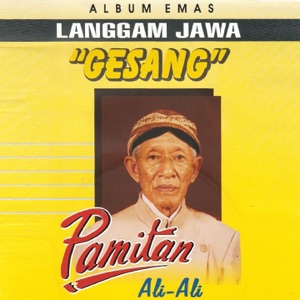 Bengawan Solo · Gesang, 1940Apple Music ↗
Mentioned in other articles
- Krontjong Genre
In the 1920s and 1930s krontjong became popular throughout Indonesia via radio and film; Gesang's Bengawan Solo (1940) became a classic.