
2 languages
Alban Berg
From HitStory, the pop encyclopedia of School of Rock · Artist
Alban Berg was born in 1885 in Vienna and lived there all his life. He began composing at fifteen. Between 1904 and 1911 he had lessons from Arnold Schoenberg, who belonged to the Second Viennese School. His father died in 1900, after which the family fell into financial difficulty. Berg moved in the cultural elite of Vienna around 1900, with painters, writers and architects such as Gustav Klimt, Karl Kraus and Adolf Loos. In 1913 a concert with his Altenberg Lieder led to a riot, the notorious Skandalkonzert.
Music and breakthrough
His best-known works are the operas Wozzeck, completed in 1922 and first performed in Berlin in 1925, and Lulu, on which he worked from 1928 and which was completed after his death. He also wrote the Lyric Suite from 1926, the Kammerkonzert and a violin concerto, written in 1935, the year of his death. Berg died of blood poisoning on 24 December 1935. The violin concerto bears the subtitle Dem Andenken eines Engels.
Influence
Berg combined the Romantic lyricism of Mahler with the twelve-tone technique of Schoenberg. His music is therefore regarded as more human and more emotional than that of his teacher. He left behind a relatively small body of work, but is regarded as one of the most important composers of the twentieth century. That is due to his expressive style, which connects atonality and feeling without the listener needing to know the theory.
Listening
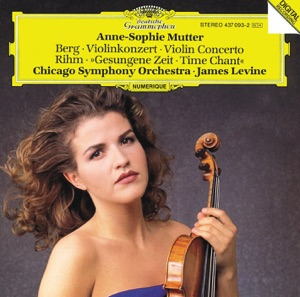 Vioolconcert 'Dem Andenken eines Engels': Andante, Allegretto (Anne-Sophie Mutter) · Alban Berg, 1935
Discography
Studio albums
- 1952Wozzeck
- 1954Violin Concerto
- 1959Berg: Sonata for Piano, op. 1 / Schoenberg: Three Piano Pieces, op. 11 / Křenek: Sonata no. 3 for Piano, op. 92, no. 4
- 1961Suites From Wozzeck / Lulu
- 1962Bartók: Two Rhapsodies for Violin and Orchestra / Berg: Violin Concerto
- 1965Suk: Fantazie g moll pro housle a orchestr / Berg: Koncert pro housle a orchestr
- 1966Symphony no. 6
- 1971Berg: Violinkonzert / Martinon: Violinkonzert Nr. 2
- 1971Neue Wiener Schule: Die Streichquartette
- 1973“Wozzeck” Act III / Seven Early Songs
- 1974Alan Berg: Lulu (suite) / Richard Strauss: Salome (final scene)
- 1978Kammermusik
- 1978Lulu
- 1979Lulu
- 1979Violinkonzert / 3 Orchesterstücke, op. 6
- 1979新ウィーン楽派ピアノ作品集成
- 1980Violin Concertos
- 1980Wozzeck
- 1984Berg: Violin Concerto / Bartók: Violin Concerto no. 1
- 1985Berg: String Quartet / Webern: Five Movements / Zemlinsky: String Quartet no. 3
- 1985Violin Concerto / Three Orchestral Pieces
- 1986Neue Wiener Schule
- 1986Streichquartett, op. 13 / Lyrische Suite
- 1986Violin Concerto "To the Memory of an Angel" / Three Orchestral Pieces, op. 6
- 1987Orchesterstücke
- 1988Bach: L'Arte della fuga / Berg: Lulu Suite
- 1988Berg: Wozzeck / Schoenberg: Erwartung
- 1988Lulu-Suite / Altenberg-Lieder / 3 Orchesterstücke
- 1989Bartók: Contrasts / Berg: Adagio / Stravinsky: L'Histoire du soldat / Amy: En trio
- 1989Bartok: Divertimento / Berg: Lyric Suite / Stravinsky: Apollon Musagète
- 1989Bartók: Violin Concerto no. 1 / Berg: Violin Concerto
- 1989Kammerkonzert / Violin Concerto
- 1989Schoenberg, Webern, Berg: Orchestral Works
- 1989Schoenberg: 5 Orchesterstücke, op. 16 / Webern: 6 Orchesterstücke, op. 6 / Berg: Lulu-Suite
- 1989Streichquartett, op. 3 / Lyrische Suite
- 1990Brahms - Double Concerto / Berg - Chamber Concerto
- 1990Lieder
- 1990Lulu-Suite / Der Wein / Lyric Suite
- 1990Streichquartette
- 1991Alban Berg: Lyric Suite / Giuseppe Verdi: String Quartet in E minor
- 1991Berg: Suite lyrique / Dutilleux: Ainsi la nuit / Webern: Langsamer Satz
- 1991Stravinski: L'Histoire du soldat / Bartók: Contrastes
- 1991Violin Concerto / Lyric Suite
- 1991Violinkonzerte / Tzigane
- 1992Berg: Violinkonzert / Rihm: »Gesungene Zeit«
- 1992Bluebeard's Castle / Wozzeck (excerpts)
- 1992Lieder
- 1992Liszt: Sonata / Zweite Elegie / Nuages gris / Berg: Sonata / Webern: Variations
- 1992Lulu / Wozzeck
- 1992Violin Concertos
- 1993Béla Bartok: Deuxième concerto pour violon / Alban Berg: Concerto pour violon à la mémoire d'un ange
- 1993Britten: War Requiem / Penderecki: Threnos / Berg: Violin Concerto
- 1993Wozzeck
- 1994Altenberglieder / 7 frühe Lieder
- 1994Debussy: 12 Etudes / Berg: Sonate, op. 1
- 1994Love's Twilight: Late Romantic Songs by Berg, Korngold, Strauss
- 1994Lyrische Suite / Streichquartett, op. 3
- 1994Violinkonzerte
- 1994Weill: Die sieben Todsünden / Berg: Lulu Suite
- 19953 Orchesterstücke op. 6 / 7 Frühe Lieder / Der Wein
- 1995Berg: Lulu Suite / Lyric Suite / Strauss: Death and Transfiguration / Metamorphosen / Oboe Concert / Lutosławski: Double Concerto
- 1995Chamber Concerto / Three Orchestral Pieces, op. 6 / Violin Concerto
- 1995Glenn Gould Plays Schoenberg, Berg, Webern
- 1995Kremerata Musica
- 1995Lyric Symphony / Three Pieces from the "Lyric Suite" / Five Orchestral Songs
- 1995Seven Early Songs / Altenberg Songs / Youthful Songs
- 1995Zemlinsky: Lyric Symphony / Berg: Three Pieces from the Lyric Suite / Five Orchestral Songs
- 1996Altenberg-Lieder / Lyric Suite / Lulu Suite
- 1996Lulu-Suite / Wozzeck: Three Excerpts / Three Pieces for Orchestra, Op. 6 (Metropolitan Opera Orchestra feat. conductor: James Levine, soprano: Renée Fleming)
- 1996Mahler: 1 / Berg/Verbey: Sonata, op. 1
- 1997Berg: Violin Concerto, 'To the Memory of an Angel' / Hindemith: Violin Concerto / Stravinsky: Violin Concerto in D
- 1997Lulu
- 1998Berg: Kammerkonzert / Schoenberg: Kammersymphonie
- 1999Altenberg-Lieder / Der Wein / Orchestral Pieces
- 1999Debussy: String quartet in G minor / Ravel: String quartet in F major / Berg: String quartet
- 1999Lulu suite / Lyric suite / Wozzeck Fragments
- 1999Mahler: Symphony no. 4 / Berg: Seven Early Songs
- 1999Piano Music
- 1999Schoenberg, Berg, Webern: Orchestral Works
- 1999Wozzeck
- 2000Complete String Quartets
- 2000Piano Sonata, op. 1 / String Quartet, op. 3 (piano four hands version) / Chamber Concerto
- 2000Piano Works
- 2001Alban Berg: String Quartet, Lyric Suite - Anton Webern: String Quartet
- 2001Lulu
- 2001Mahler: Symphony No. 6 / Berg: Three Pieces For Orchestra / Schubert: Andante B Minor
- 2001Schoenberg: Piano Concerto / Klavierstücke, op. 11 & op. 19 / Berg: Sonata, op. 1 / Webern: Variations, op. 27
- 2002Complete Chamber Music
- 2002Violin Concerti
- 2002Violin Concerto / Lyric Suite / Three Orchestral Pieces
- 2002Wozzeck
- 2003Jugendlieder
- 2003Lulu
- 2003Lulu-Suite / Lyrische Suite
- 2003Lyric Suite (Kronos Quartet feat. Dawn Upshaw)
- 2003Wozzeck
- 2004Violin Concertos
- 2004Webern / Schoenberg / Berg
- 2004Wien 1900
- 2004Wozzeck
- 2005Complete Works for Piano
- 2006Arpeggione Sonata
- 2006Fantasies & Dream Figures
- 2006Lulu
- 2006Music of the Viennese School
- 200720th Century Piano Sonatas
- 2007Berg: String Quartet / Lyric Suite / Wolf: Italian Serenade
- 2007Berg: Vier Stücke / Fromm-Michaels: Stimmungen eines Fauns / Messiaen: Abîme des oiseaux / Schumann: Fantasiestücke / von Weber: Grand Duo Concertant
- 2007Gielen: Pflicht und Neigung / Schönberg: Die glückliche Hand, op. 18
- 2007Schoenberg: Verklärte Nacht / Berg: Lyrischen Suite / Webern: Passacaglia
- 2007Tippett: Concerto for Double String Orchestra / Berg: Violin Concerto / Janáček: Sinfonietta
- 2008Lulu Suite / Drei Orchesterstücke
- 2008Mozart: "Gran Partita" / Berg: Kammerkonzert
- 2008Schönberg: Streichquartett Nr. 2 / Webern: Langsamer Satz / Berg: Die geheime Gesangstimme
- 2008Vaughan Williams: Symphony no. 6 / Fantasia on a Theme by Thomas Tallis / Hadley: One Morning in Spring / Bax: Mediterranean / Berg: Lyric Suite
- 2009Orchestral Works
- 2009Schoenberg / Berg / Webern
- 2009Violinkonzerte
- 2009Zemlinsky: Lyric Symphony / Berg: Three Pieces From the Lyric Suite
- 2010Passion & Pain: Adams, Haydn & Schubert
- 2010Stravinsky: The Soldier's Tale, Octet, Pastorale, Ragtime, Septet, Concertino / Schoenberg: Chamber Symphony no. 1 / Berg: Adagio
- 2010Tief in der Nacht
- 2011Bach / Berg / Brahms
- 2011Schoenberg: Erwartung / Berg: Lulu Suite
- 2011Schubert: String Quartet, D887 / Berg: String Quartet, op. 3
- 2011The Liszt Project
- 2011The String Quartet and the Voice
- 2012The Legacy of Mahler
- 2012Violin Concertos
- 2012Violin Concertos
- 2013Amoroso
- 2013Berg: Drei Orchesterstücke / Schönberg: Pelleas und Melisande
- 2013Berg: Violin Concerto / Bartók: Rhapsody no. 2 / Violin Concerto no. 2
- 2013No. 3
- 2013Schumann: Dichterliebe / Berg: Sieben frühe Lieder
- 2013Violin Concertos
- 20141930s Violin Concertos, Vol. 1
- 2014Berg: Lyrische Suite / Schoenberg: Verklärte Nacht
- 2014Concerto "À la mémoire d'un ange" / Kammerkonzert (mono version)
- 2014Fin de siècle
- 2014Lieder
- 2014Mendelssohn: Quartet, op. 13 / Berg: Lyric Suite
- 2014Schostakowitsch: Symphonie Nr. 5 / Berg: Violinkonzert
- 2014Sonatenabend
- 2015Berg: Lyric Suite / Wellesz: Sonnets by Elizabeth Barrett Browning, op. 52
- 2015Chamber Music
- 2015Concord
- 2015Fiðlukonsertar
- 2015Piano – 20th Century
- 2015Schumann: Liederkreis / Frauenliebe und Leben / Berg: Sieben frühe Lieder
- 2016Modern Times
- 2016Nocturnal Variations
- 2016Schoenberg, Berg, Webern: Complete Works for String Quartet
- 2016Towards Verklärte Nacht
- 2017Awakening
- 2017Berg & Brahms
- 2017Piano Works
- 2017Wozzeck
- 2018Brahms the Progressive
- 2018Liaison
- 2018Perspectives 7
- 2018Schumann / Reinecke / Debussy / Berg / Corigliano
- 2019Berg: Lyric Suite / Schubert: Death and the Maiden
- 2020Bach, Brahms, Berg
- 2020Berg / Medtner / Janáček / Schubert
- 2020Berg / Webern / Schreker
- 2020Clytemnestra
- 2020Concerto For Violin And Orchestra, "A La Mémoire D'Un Ange" / Chamber Concerto For Violin / Piano And 13 Wind Instruments
- 2020The Art of Classical Guitar Transcription
- 2020The Wanderer
- 2020Vienna 1905-1910
- 2021Beethoven - Berg - Boulez
- 2021Clair-Obscur
- 2021From the Early 20th, Vol. 2
- 2021Violin Concertos
- 2021Wagner: Wesendonck-Lieder / Berg: Sieben frühe Lieder / Mahler: Rückert Lieder
- 2022Bach / Berg / Schoenberg / Webern
- 2022Berg: String Quartet Op. 3 / Webern: Langsamer Satz / Schoenberg: String Quartet No. 2, Op. 10
- 2022Lieder
- 2022Lieder Der Neuen Wiener Schule / Songs Of The New Vienna School
- 2022Sehnsucht
- 2022Violin Concerto / Three Orchestral Pieces / Piano Sonata / Passacaglia
- 2022Violin Concertos
- 2023Infinite Voyage
- 2023Transfigurations
- 2023Viennese Romance
- 2023Wozzeck
- 2024Berg / Brahms / Poulenc / Schumann
- 2024Piano Works
- 2025Opus 1
- 2025The Magic Wonderland Opens Before Our Gaze: Austrian Songs from the 19th to the 20th Century
- 2025Vienna 1908-1914
- 2026Berg: Piano Sonata, op. 1 / Schubert: Piano Sonata no. 21, D. 960
- 2026Out of Vienna
- ?Glenn Gould plays Berg, Webern, Schönberg
- ?Lulu (Vienna State Opera 1968)
- ?Mozart: Violin Concerto no. 5 / Berg: Violin Concerto
- ?Schubert / Liszt / Schoenberg / Berg
- ?Violin Concertos
- ?Violin Concertos
- ?Wozzeck / Lulu-suite
Mentioned in other articles
- Atonality and twelve-tone music Genre
His pupils Alban Berg and Anton Webern continued to work with it, Berg even in a moving violin concerto in 1935.