
2 languages
La Niña de los Peines
From HitStory, the pop encyclopedia of School of Rock · Artist
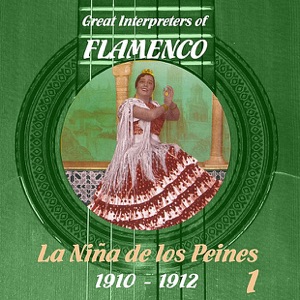
Pastora Pavón Cruz, known as La Niña de los Peines, was born in Seville in 1890 and died in 1969. She is regarded as the most important female flamenco singer of the twentieth century. She came from a family of singers: her brother Tomás Pavón was also an important singer. At the age of eight she sang in public for the first time, at the spring fair in Seville. She got her nickname, the girl of the combs, in a café in Madrid, from a tango verse about combs. She herself disliked the name.
Music and breakthrough
In 1910 she made her first recordings. In 1922 she performed at the Concurso de Cante Jondo in Granada, which was organised partly by Manuel de Falla and Federico García Lorca in order to renew flamenco. Lorca admired her voice. She sang all the palos, the flamenco forms, but excelled above all in siguiriyas, soleares, tangos and bulerías. She preserved styles that were in danger of disappearing, such as the siguiriyas of Ciego de la Peña and El Marruro. She never learned to read or write.
Influence
The singing of La Niña de los Peines is rough, powerful and expressive, with tones between the notes of the Western scale. For later singers such as Antonio Mairena she was an example. In this way she forms a link between the traditional flamenco of the nineteenth century and the revival of the old forms in the 1950s to 1970s.
Listening
 De dos vereas inguales (soleares) · La Niña de los Peines, 1910
Discography
Studio albums
- 1992La niña de los peines
- 1992Leyendas del Cante
- 2016El Mejor Cantaora Festera