
2 languages
Hailu Mergia
From HitStory, the pop encyclopedia of School of Rock · Artist
Hailu Mergia is an Ethiopian keyboard player, accordionist, composer and arranger who now lives in Washington, D.C. He was born in 1946 in Debre Birhan and at the age of ten moved to Addis Ababa. He grew up with traditional Amharic melodies and taught himself to play the accordion at fourteen. He left school and joined the music department of the army, where he learned to read and write music. He then became a freelance musician in the nightclubs of Ethiopia, until in the Zula Club he met the future members of the Walias Band.
Music and breakthrough
In the 1970s he was the keyboard player of the Walias Band, a jazz and funk group with a hard, polyrhythmic funk sound, influenced by Western musicians such as King Curtis, Junior Walker and Maceo Parker. Under the rule of the Derg, censorship was a problem. Hailu often chose instrumental music, because singers had to support the government. From the Walias Band, Tche Belew appeared in 1977, one of only three instrumental albums from the golden years of Addis Ababa. He emigrated to the United States and in 1985 recorded his album Shemonmuanaye entirely on his own. Later he worked as a taxi driver at Dulles Airport and wrote music in his car. In 2013 and 2016 his old records were reissued, and in 2018 came Lala Belu, his first new album in more than thirty years.
Influence
Hailu Mergia turns folk melodies into funkier, modern music. His keyboard playing and accordion have a warm, swinging sound. He is a key figure of the Ethiopian golden age and an example of how forgotten records find a new audience after decades.
Listening
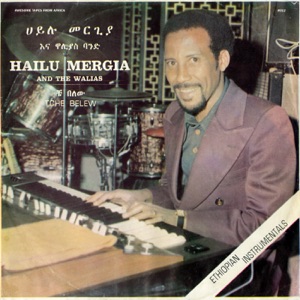 Tche Belew · Hailu Mergia & The Walias, 2014
- Yemiasleks Fikir · Hailu Mergia & The Walias, 2014
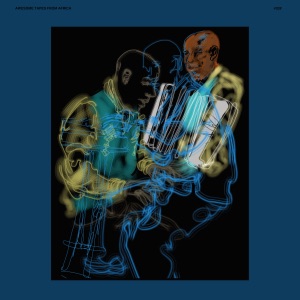 Lala Belu · Hailu Mergia, 2018
- Tizita · Hailu Mergia, 2018
Discography
Studio albums
- 1976Tezeta
- 1977Tche Belew
- 1978ወደ ሐረር ጉዞ
- 1985Hailu Mergia & His Classical Instrument: Shemonmuanaye
- 1998Yewedeke Abeba
- 2018Lala Belu
- 2020Yene Mircha
- ?Amharic Songs By Instrumental Only
- ?Instrumental Music
Other work
- 1978Wede Harer Guzo
In School of Rock
The chapters, maps and magazine stories of School of Rock are currently available in Dutch only.
- Jazz MapNL Map